The Philosophical Foundations Behind Effective TCM Treatments
- 时间:
- 浏览:112
- 来源:TCM1st
If you’ve ever scratched your head wondering why Traditional Chinese Medicine (TCM) feels so different from Western treatments, it’s not just about herbs and needles — it’s about philosophy. Seriously, TCM isn’t just a medical system; it’s a worldview rooted in over 2,500 years of observation, balance, and energy flow. And once you get the core ideas, suddenly that acupuncture session or cupping therapy starts making way more sense.
At the heart of TCM lies Qi (pronounced “chee”), the vital life force that flows through everything. Think of it like your body’s internal Wi-Fi signal — when it’s strong and clear, everything runs smoothly. But when it’s blocked or weak? Hello, fatigue, pain, or insomnia. Unlike Western medicine, which often targets symptoms, TCM digs into the root imbalances causing those symptoms. That’s why two people with headaches might get totally different treatments — one might need liver Qi regulation, another might require blood nourishment.
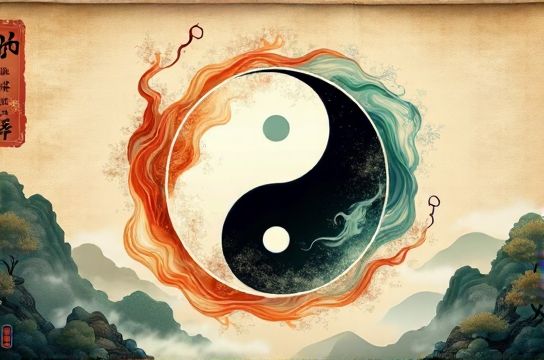
And let’s talk about Yin and Yang. You’ve seen the symbol — black and white swirls with dots of each other inside. It’s not just a cool tattoo idea. In TCM, Yin represents coolness, rest, and substance (like blood and fluids), while Yang is warmth, activity, and function. Health happens when they’re in harmony. Too much Yang? You might feel anxious or overheated. Too much Yin? You could feel sluggish or cold. A skilled practitioner assesses this balance before even touching a herb.
Then there’s the Five Elements theory — Wood, Fire, Earth, Metal, and Water — each linked to organs, emotions, and seasons. For example, Wood relates to the liver and springtime, while Metal connects to the lungs and grief. This isn’t mystical fluff; it’s a diagnostic framework used daily in clinics across China. Check out this breakdown:
| Element | Organ Pair | Season | Emotion |
|---|---|---|---|
| Wood | Liver & Gallbladder | Spring | Anger |
| Fire | Heart & Small Intestine | Summer | Joy |
| Earth | Spleen & Stomach | Indian Summer | Worry |
| Metal | Lungs & Large Intestine | Autumn | Grief |
| Water | Kidneys & Bladder | Winter | Fear |
Now, does this mean TCM replaces modern medicine? Nope — and smart practitioners know when to refer out. But for chronic issues like digestive trouble, stress, or hormonal imbalances, TCM offers something unique: personalized care based on deep philosophical principles. According to a 2022 WHO report, over 100 countries now recognize TCM practices, with clinical studies backing its use in managing conditions like chronic pain and anxiety.
So if you're exploring natural healing, don’t just look at supplements or trends — understand the philosophy behind TCM. Because when treatment comes from a place of balance, energy, and holistic insight, it’s not alternative medicine — it’s intelligent medicine.