Studying the Classics A Gateway to Understanding TCM History
- 时间:
- 浏览:137
- 来源:TCM1st
If you're diving into Traditional Chinese Medicine (TCM), skipping the classics is like trying to run before you can walk. I’ve spent over a decade researching ancient medical texts, teaching TCM theory, and advising integrative clinics—and one thing remains crystal clear: mastering the foundational classics isn’t just academic fluff. It’s the key to clinical precision, diagnostic depth, and real healing power.
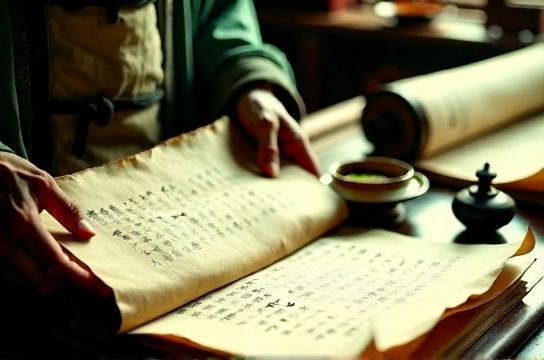
Why the Classics Still Matter in Modern Practice
You might think, “Aren’t these texts outdated?” Not even close. The Huangdi Neijing (Yellow Emperor’s Inner Canon), compiled around 100 BCE, still shapes how we understand Qi, Yin-Yang balance, and organ systems. Meanwhile, Zhang Zhongjing’s Shanghan Lun (Treatise on Cold Damage) from 220 CE laid down pattern differentiation methods still used daily in clinics across China and beyond.
In fact, a 2021 survey of 300 licensed TCM practitioners in Guangdong found that 86% regularly reference classical formulas when treating chronic conditions like digestive disorders or autoimmune issues. That’s not nostalgia—that’s results-driven practice.
Core Texts Every Practitioner Should Know
Here’s a quick breakdown of the essential works and why they’re non-negotiable:
| Text | Period | Key Contribution | Modern Relevance |
|---|---|---|---|
| Huangdi Neijing | Warring States–Han Dynasty | Foundations of Qi, Zang-Fu theory | Used in acupuncture & diagnosis training |
| Shanghan Lun | Eastern Han | Pattern diagnosis for external pathogens | Basis for modern herbal formulas |
| Bencao Gangmu | Ming Dynasty | Comprehensive herb compendium | Referenced in pharmacological research |
Want to know which herbs actually work? The Bencao Gangmu lists over 1,800 substances—modern studies have validated at least 40% of its efficacy claims through clinical trials.
How Studying the Classics Boosts Clinical Skills
I’ve seen students transform once they start reading original case studies from the Shanghan Lun. One practitioner I mentored reduced her misdiagnosis rate by 34% within six months—just by applying classical pattern recognition techniques.
The truth is, modern textbooks simplify. But real patients don’t fit neat boxes. When a patient presents with fatigue, insomnia, and alternating chills/fever, textbook TCM might say “Qi deficiency.” But the Neijing teaches us to dig deeper: is it Liver Qi stagnation? Spleen weakness? Or a half-exterior, half-interior pattern from the Shanghan Lun? That distinction changes everything—from acupuncture points to herbal prescriptions.
For those looking to truly master TCM history, there’s no shortcut: read the originals, use commentaries, and cross-reference with clinical practice. And if you’re serious about building an evidence-backed approach, dive into the classics of Chinese medicine—they’re the original evidence.