The Legacy of Huang Di in Shaping TCM Healing Traditions Forever
- 时间:
- 浏览:123
- 来源:TCM1st
If you're into natural healing or have ever tried Traditional Chinese Medicine (TCM), there's one name you can't ignore—Huang Di, the Yellow Emperor. No, he’s not a mythological figure your grandma made up; he’s the foundational pillar of TCM as we know it today. And honestly? His influence isn’t just historical—it’s still shaping how we heal ourselves in 2024.
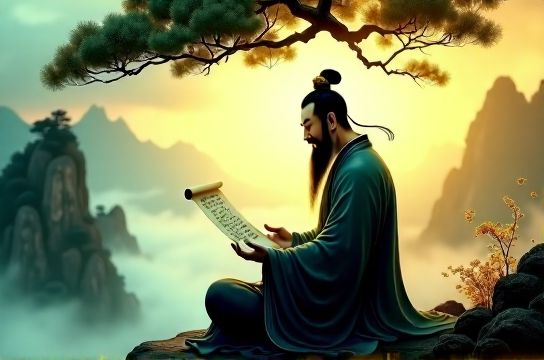
Huang Di didn’t just sit around sipping tea and writing poetry. Around 2698–2598 BCE, he supposedly compiled the Huangdi Neijing (The Yellow Emperor’s Inner Canon), which is basically the OG textbook of TCM. This text laid down core principles like Qi (vital energy), Yin-Yang balance, and the Five Elements—all still used by acupuncturists and herbalists worldwide.
Let’s break it down with some real data. A 2022 WHO report found that over 1.8 billion people globally use traditional medicine, with TCM being the most widely practiced system. In China alone, TCM hospitals serve over 1.2 million patients daily. That’s not luck—that’s legacy.
Why Huang Di’s Framework Still Works
The genius of Huang Di was seeing the body as a connected system, not a collection of broken parts. While Western medicine often treats symptoms, TCM—thanks to his early insights—focuses on root causes. Think of it like fixing a leaky pipe instead of just mopping the floor.
Here’s a quick look at how TCM principles from the Neijing translate into modern practice:
| Huang Di’s Principle | Modern TCM Application | Global Adoption |
|---|---|---|
| Qi Flow & Meridians | Acupuncture for pain and stress | Used in 100+ countries |
| Yin-Yang Balance | Diet therapy and herbal formulas | Core in wellness programs |
| Five Elements (Wood, Fire, Earth, Metal, Water) | Emotional & organ system mapping | Integrated in holistic coaching |
Cool, right? But here’s what really blows minds: modern fMRI studies show acupuncture points actually correlate with neural activity. So when Huang Di mapped energy channels 4,700 years ago, he was onto something science is just now confirming.
And let’s talk herbs. The Neijing classified over 365 medicinal substances—many still in use. For example, Glycyrrhiza uralensis (licorice root) is backed by over 4,000 clinical studies for anti-inflammatory effects. Coincidence? Nah. It’s in the text, baby.
If you’re exploring holistic health, understanding Huang Di’s role in TCM isn’t just academic—it’s practical. Whether you're dealing with chronic stress, digestion issues, or sleep troubles, the frameworks he helped establish are more relevant than ever.
Bottom line: Huang Di wasn’t just an emperor. He was a visionary who built a healing system so robust, it’s survived empires, wars, and even TikTok trends. And if you’re looking for time-tested, body-smart healing, maybe it’s time to read the original manual—because some legacies aren’t just preserved… they evolve.