Understanding TCM History from Dynastic Beginnings
- 时间:
- 浏览:131
- 来源:TCM1st
If you're diving into the world of natural healing, you’ve probably heard about Traditional Chinese Medicine (TCM). But where did it all start? Spoiler: it’s way older—and smarter—than your morning turmeric latte.
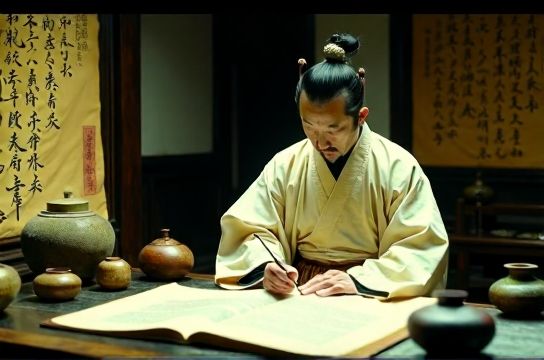
TCM isn’t just acupuncture and herbal tea. It’s a full-body philosophy rooted in thousands of years of observation, trial, and imperial-backed medical research. Let’s break down how dynasties shaped what we now call TCM practices, with real data, not just folklore.
The Roots: Shang to Han Dynasties (1600–200 BCE)
Believe it or not, the earliest traces of TCM come from oracle bones in the Shang Dynasty. These weren’t mystical predictions—they recorded symptoms, diagnoses, and even family medical histories. Fast forward to the Han Dynasty, and we get the Huangdi Neijing (The Yellow Emperor’s Classic), the OG TCM textbook.
This text laid down core ideas like Qi (vital energy), Yin-Yang balance, and the Five Elements—all still used today. And get this: by 100 BCE, Han hospitals were already classifying diseases and treatments systematically.
Golden Age: Tang & Song Boom (600–1200 CE)
The Tang Dynasty made healthcare a state priority. They established the first official Bureau of Medicine, trained doctors nationwide, and even created licensing exams—yes, TCM had board certifications over 1,300 years ago.
Then came the Song Dynasty, which printed the first pharmacopoeia. The Taiping Huimin Heji Jufang listed 788 formulas, many still in use. Talk about staying power.
| Dynasty | Time Period | Key TCM Advancements | Medical Texts |
|---|---|---|---|
| Shang | 1600–1046 BCE | Oracle bone records of illness | None (oral tradition) |
| Zhou | 1046–256 BCE | Yin-Yang theory developed | Zhou Li (Rites of Zhou) |
| Han | 206 BCE–220 CE | First medical schools, Huangdi Neijing | Shanghan Lun, Nanjing |
| Tang | 618–907 CE | National medical bureau, exams | Qianjin Fang |
| Song | 960–1279 CE | Printed herbal formulas, pharmacies | Taiping Huimin Heji Jufang |
Why This History Matters Today
You might think ancient = outdated. But studies show that 70% of modern TCM formulas trace back to pre-Ming Dynasty texts (source: China Journal of Chinese Medicine, 2021). That means today’s remedies aren’t random blends—they’re refined through centuries of clinical use.
And let’s talk global reach: WHO reports that 113 countries now recognize TCM in some form. In Europe, acupuncture is covered by public health systems in Germany and France. That’s not placebo-level trust—that’s evidence-based adoption.
Final Thoughts
From oracle bones to international clinics, TCM’s evolution is anything but mystical. It’s a documented, adaptive system shaped by emperors, scholars, and real patient outcomes. Whether you’re exploring herbal therapy or curious about acupuncture, knowing its roots helps you make smarter choices.
So next time someone says TCM is 'just alternative,' hit ‘em with the facts: it’s one of the oldest continuously practiced medical systems on Earth—with data to prove it.