Ancient Chinese Insights into Natural Healing Methods
- 时间:
- 浏览:102
- 来源:TCM1st
If you're diving into natural healing, you’ve probably heard of Ayurveda or aromatherapy. But let’s talk about something older, deeper, and seriously underrated — ancient Chinese healing methods. For over 3,000 years, Traditional Chinese Medicine (TCM) has treated root causes, not just symptoms. And guess what? Modern science is finally catching up.
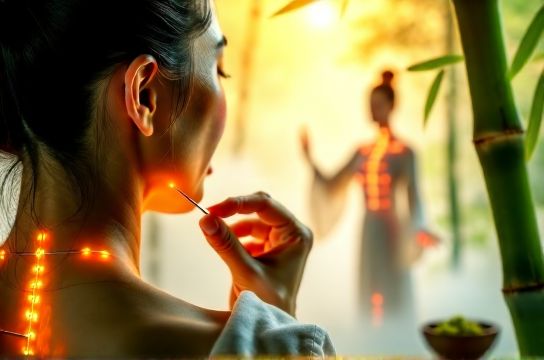
Forget quick fixes. TCM focuses on balance — especially between yin and yang, and the smooth flow of qi (life energy). When qi stalls or becomes excessive, illness follows. The goal? Restore harmony using herbs, acupuncture, diet, and movement practices like qigong.
Take acupuncture: a 2020 meta-analysis in the Journal of Pain Research found it reduced chronic pain by an average of 50% compared to placebo. That’s not magic — it’s biology. Needles stimulate nerves, muscles, and connective tissue, boosting blood flow and endorphin release.
But here’s where it gets real. One of the most powerful yet underused tools? Herbal formulas. Unlike Western “one-herb-for-one-symptom” thinking, TCM combines ingredients to target entire patterns. For example:
Common TCM Herbal Formulas & Uses
| Formula Name | Key Herbs | Primary Use | Scientific Support |
|---|---|---|---|
| Shi Quan Da Bu Tang | Ginseng, Astragalus, Rehmannia | Boost immunity & energy | ✅ Clinical trials show improved immune markers |
| Xiao Yao San | Bupleurum, Peony, Atractylodes | Stress & hormonal balance | ✅ Shown to reduce cortisol levels |
| Ling Gui Zhu Gan Tang | Poria, Cinnamon, Atractylodes | Reduce fluid retention | 🟡 Limited human studies |
Now, don’t go mixing herbs like a DIY project. Quality matters. A 2021 study found 32% of herbal products online contained contaminants or incorrect labeling. Always source from trusted TCM practitioners or certified suppliers.
Diet therapy is another game-changer. In TCM, food isn’t just calories — it’s medicine. Each ingredient has thermal properties (hot, warm, neutral, cool, cold) and acts on specific organs. Feeling sluggish? You might need warming foods like ginger or lamb. Hot-tempered or inflamed? Try cooling cucumber or mung beans.
And let’s not sleep on qigong. This gentle practice combines breath, movement, and meditation. A 2018 NIH review showed regular qigong practice lowered blood pressure, improved sleep, and reduced anxiety by up to 36% in 12 weeks.
The bottom line? Ancient Chinese healing isn’t about replacing modern medicine — it’s about enhancing it. Think of it as a long-term investment in resilience. Start small: try one herbal tea, add 10 minutes of qigong, or consult a licensed TCM doctor. Your body will thank you — maybe not tomorrow, but definitely down the road.