Eastern Philosophy and the Roots of TCM Thought
- 时间:
- 浏览:98
- 来源:TCM1st
If you’ve ever wondered why Traditional Chinese Medicine (TCM) feels so different from Western medicine, the answer lies deep in eastern philosophy. Unlike symptom-chasing models, TCM treats the body, mind, and environment as one interconnected system — a concept rooted in ancient Daoist, Confucian, and Buddhist thought.
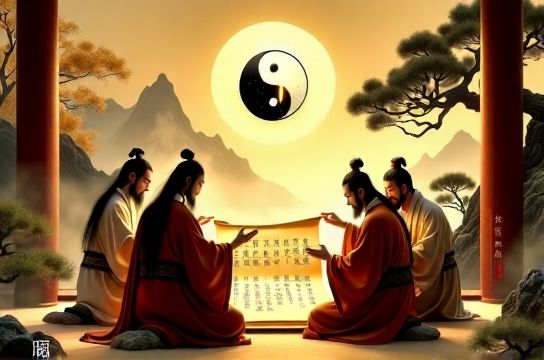
I’ve spent over a decade studying holistic healing systems across Asia, and what I’ve found is that TCM isn’t just about herbs or acupuncture — it’s a worldview. At its core are two foundational ideas: Qi (vital energy) and Yin-Yang balance. These aren’t mystical buzzwords; they’re philosophical frameworks backed by centuries of observational practice.
How Eastern Philosophy Shapes TCM Principles
Let’s break it down. The concept of Qi comes from Daoism, which teaches that everything in nature flows in cycles. Your breath, your heartbeat, even your emotions — all are expressions of Qi moving through meridians. When this flow is blocked or unbalanced, illness follows.
Meanwhile, Yin and Yang — opposite but complementary forces — govern all natural phenomena. Think hot vs. cold, active vs. restful, internal vs. external. In TCM diagnosis, a practitioner doesn’t just ask “What hurts?” They ask, “Are you too Yang? Too stressed and fiery? Or too Yin — sluggish and cold?”
And then there’s the Five Elements Theory — Wood, Fire, Earth, Metal, Water — each linked to organs, emotions, and seasons. This isn’t astrology; it’s a symbolic model used to trace patterns in health. For example:
| Element | Associated Organ | Emotion | Season |
|---|---|---|---|
| Wood | Liver | Anger | Spring |
| Fire | Heart | Joy | Summer |
| Earth | Spleen | Worry | Long Summer |
| Metal | Lung | Grief | Autumn |
| Water | Kidney | Fear | Winter |
This table isn’t just theory — I’ve seen practitioners use it to treat chronic fatigue by aligning lifestyle changes with seasonal energy. A patient feeling drained in winter? Strengthen the Kidney (Water) with warming foods and rest — not stimulants.
Why This Matters Today
In our fast-paced world, the wisdom of eastern philosophy offers a reset. Modern studies now support what TCM has taught for millennia: stress impacts digestion (Spleen/Earth), grief affects lung function (Lung/Metal). The mind-body connection is real.
So whether you're exploring acupuncture, herbal blends, or mindfulness, remember — you’re not just treating symptoms. You’re engaging with a 2,000-year-old philosophy of harmony. And that’s powerful medicine.