Vital Substances and Their Functions in TCM Framework
- 时间:
- 浏览:110
- 来源:TCM1st
If you're diving into Traditional Chinese Medicine (TCM), you’ve probably heard terms like Qi, Blood, and Jing tossed around. But what exactly are these vital substances, and why do they matter? As someone who’s spent over a decade studying and applying TCM principles—both in clinical settings and personal wellness—I’m breaking it all down for you in plain, relatable English.
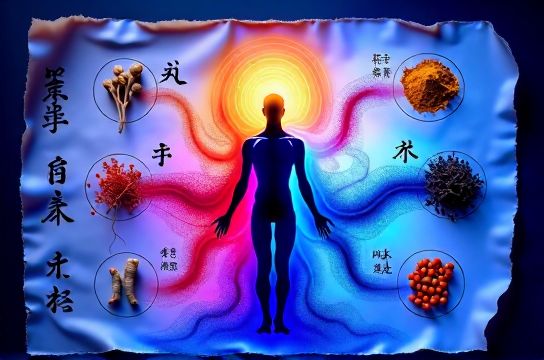
Think of your body as a finely tuned ecosystem. In Western medicine, we talk about hormones, neurotransmitters, and cells. In TCM? It’s all about vital substances that keep the system balanced. These aren’t physical materials you can weigh on a scale—they’re energetic components essential for life, health, and vitality.
The Big Five: Core Vital Substances in TCM
There are five primary vital substances recognized in TCM. Let’s walk through each one with real-world relevance:
| Substance | Primary Function | Common Deficiency Signs |
|---|---|---|
| Qi (Chi) | Energy for all bodily functions | Fatigue, weak immunity, shortness of breath |
| Blood (Xue) | Nourishes tissues, supports mental clarity | Dry skin, dizziness, insomnia, pale lips |
| Jing (Essence) | Genetic potential, growth, reproduction | Premature aging, low libido, weak bones |
| Body Fluids (Jin Ye) | Lubricate joints, moisturize skin and orifices | Dry eyes, constipation, stiff tendons |
| Shen (Spirit) | Governs consciousness, emotions, sleep | Anxiety, poor memory, restlessness |
Now, here’s the kicker: these substances don’t work in isolation. They generate and support each other. For example, Qi moves Blood. If your Qi is sluggish (hello, desk job), your Blood may become stagnant—leading to menstrual pain or headaches. Likewise, Blood houses the Shen. Low Blood? You might feel spacey or anxious.
Why This Matters in Real Life
I once worked with a client suffering from chronic fatigue and brain fog. Western labs came back ‘normal’. But from a TCM lens? Classic Qi and Blood deficiency. We adjusted her diet (more iron-rich foods + warm, cooked meals), added acupressure points like ST36, and incorporated herbal support (Dang Gui, Huang Qi). Within six weeks? Night-and-day difference.
This is where TCM shines—it sees patterns, not just symptoms. And yes, there’s science backing this. A 2021 review in the Journal of Integrative Medicine found that herbal formulas targeting Qi deficiency significantly improved energy levels and immune markers in participants compared to placebo.
Practical Tips to Support Your Vital Substances
- For Qi: Prioritize regular meals, deep breathing, and moderate exercise like Tai Chi.
- For Blood: Eat deeply colored veggies, organic meats, and avoid excessive raw foods.
- For Jing: Get quality sleep, manage stress, and limit excessive sexual activity or overwork.
- For Body Fluids: Hydrate mindfully—warm water > iced drinks in TCM logic.
- For Shen: Unplug daily, meditate, and create bedtime rituals.
Bottom line: Your body isn’t broken—it’s speaking a language. Learn it. Respect it. And if you’re feeling off, don’t just chase symptoms. Look at the foundation. Because in TCM, true health starts with balanced vital substances.