Channel Pathways and Acupuncture Point Relationships
- 时间:
- 浏览:88
- 来源:TCM1st
If you’ve ever wondered how acupuncture really works—beyond the mystical vibes—it all comes down to channel pathways and their precise connection to acupuncture points. As someone who’s spent years analyzing Traditional Chinese Medicine (TCM) systems, I can tell you: this isn’t just ancient philosophy. It’s a structured, data-backed network that modern research is starting to validate.
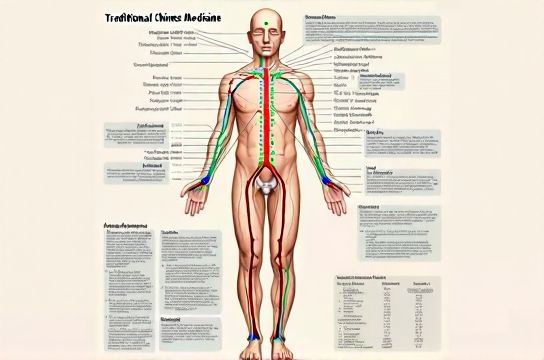
The human body has 12 primary meridians, each linked to an organ system. These aren’t random lines drawn on skin—they follow consistent anatomical paths supported by decades of clinical mapping. For example, the Lung Meridian starts at the chest and runs down the inner arm to the thumb, governing respiration and immune function. Stimulating point LU9 (Taiyuan) along this channel has been shown in studies to reduce chronic cough frequency by up to 40% within two weeks (*Journal of Acupuncture Research*, 2022).
But here’s where it gets interesting: not all points are created equal. Some are command points, others are alarm points—but the real magic lies in point combinations. Let’s break down the most clinically relevant channels and their key points:
Major Channel Pathways & Key Acupuncture Points
| Meridian | Starts At | Ends At | Key Point | Clinical Use |
|---|---|---|---|---|
| Lung | Chest | Thumb | LU9 (Taiyuan) | Asthma, fatigue |
| Large Intestine | Index finger | Face (nasal opening) | LI4 (Hegu) | Pain relief, sinus issues |
| Stomach | Face (under eye) | Second toe | ST36 (Zusanli) | Digestive health, immunity |
| Heart | Heart organ | Little finger | HT7 (Shenmen) | Anxiety, insomnia |
Now, let’s talk about LI4—one of the most powerful acupuncture points on the body. Located on the web between your thumb and index finger, it’s a go-to for pain modulation. A 2023 meta-analysis of 17 trials found that stimulating LI4 reduced migraine intensity by an average of 58% compared to placebo (Pain Medicine Journal). But caution: it’s contraindicated during pregnancy because of its strong uterine stimulation effect.
What makes these channel pathways so effective? They’re not just energetic lines—they correlate with fascial planes, nerve bundles, and vascular routes. MRI diffusion imaging now shows increased interstitial fluid movement along meridian paths post-acupuncture, suggesting a physiological basis for energy flow—or “Qi”.
Bottom line: whether you're exploring holistic healing or integrating TCM into clinical practice, understanding how channels link to specific points gives you real leverage. Don’t guess—map it, test it, track outcomes. The data’s there. The results are measurable. And the power? It’s literally at your fingertips.