Organ Networks and Interactions in Chinese Medicine
- 时间:
- 浏览:114
- 来源:TCM1st
If you're diving into holistic health, you’ve probably heard how Traditional Chinese Medicine (TCM) views the body as a web of energy—not just isolated parts. But what does that really mean? Let’s break down one of TCM’s core ideas: organ networks and their interactions. Spoiler: your liver isn’t just detoxing; it might be affecting your mood, skin, and even digestion.
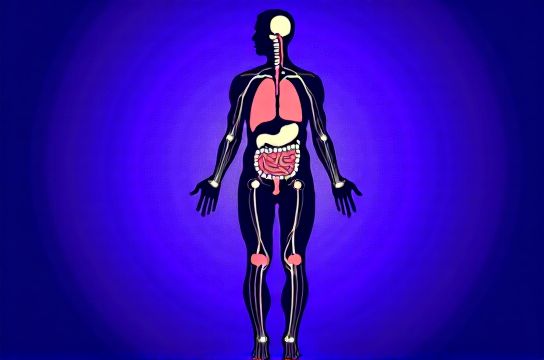
It’s Not Just Anatomy—It’s Energy Flow
In Western medicine, organs are physical structures with specific jobs. In TCM? Organs are part of dynamic functional systems tied to emotions, seasons, and meridians. Think of them like departments in a company—they each have roles, but everything collapses if communication breaks down.
The key player? Qi (pronounced “chee”)—your vital life force. When Qi flows smoothly between organ networks, you feel balanced. When it’s blocked or imbalanced? Hello, fatigue, acne, or anxiety.
The Core Organ Pairs & Their Roles
TCM groups organs into yin-yang pairs that support each other. Here's a quick breakdown:
| Yin Organ | Yang Organ | Main Functions | Emotional Link |
|---|---|---|---|
| Heart | Small Intestine | Regulates blood, houses the mind (Shen) | Anxiety, insomnia |
| Liver | Gallbladder | Stores blood, ensures smooth Qi flow | Anger, frustration |
| Spleen | Stomach | Digestion, transforms food into Qi | Overthinking, worry |
| Lung | Large Intestine | Controls breath, immunity, elimination | Grief, sadness |
| Kidney | Bladder | Stores essence (Jing), regulates water | Fear, insecurity |
Notice how each pair shares emotional and physical duties? That’s why TCM practitioners don’t just treat symptoms—they look for root imbalances. For example, chronic constipation might not just be a digestive issue; it could reflect stagnant Liver Qi affecting the Stomach.
How Organ Networks Interact: The 5 Elements Model
TCM uses the Five Elements—Wood, Fire, Earth, Metal, Water—to explain how organs influence each other. Each element governs two organs and follows a generating (nourishing) and controlling (balancing) cycle.
- Wood (Liver/Gallbladder): fuels Fire
- Fire (Heart/Small Intestine): ripens Earth
- Earth (Spleen/Stomach): creates Metal
- Metal (Lung/Large Intestine): enriches Water
- Water (Kidney/Bladder): feeds Wood
When one element is weak or excessive, it disrupts others. Say your Liver Qi is stuck (common with stress). It may over-control the Spleen, leading to bloating or poor appetite. That’s not in most Western textbooks—but patients feel the relief when treated correctly.
Real-World Example: Treating Insomnia the TCM Way
Instead of reaching for melatonin, a TCM practitioner might check: Is your Heart fire too high (racing thoughts)? Are your Kidneys too weak to anchor the mind? Or is Liver Qi stagnation causing nighttime irritability?
A 2021 study published in Frontiers in Neuroscience found acupuncture targeting Liver and Heart meridians improved sleep quality in 73% of participants—without side effects.
Practical Tips to Support Organ Harmony
- Move your body: Exercise unblocks Qi, especially for Liver health.
- Eat with the seasons: Warm, cooked foods in winter protect the Spleen.
- Breathe deeply: Supports Lung Qi and calms the mind.
- Limit screen time before bed: Helps Heart and Kidney balance.
Bottom line: Your organs aren’t solo players. In Chinese medicine organ networks, everything talks. Heal one, and you often heal many.