Energy Circulation and Internal Organ Coordination
- 时间:
- 浏览:95
- 来源:TCM1st
If you've ever wondered why some people seem to have endless stamina while others feel drained by midday, the secret might lie in energy circulation and how well your internal organs work together. As a holistic health blogger with over a decade of experience diving into traditional and modern wellness systems, I’ve seen firsthand how balancing your body’s energy flow can transform your health.
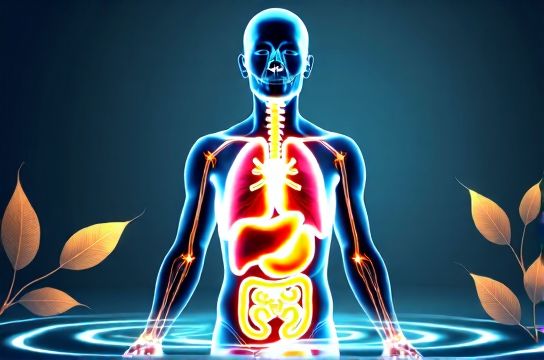
Let’s cut through the noise: it's not just about eating right or sleeping more (though those help). True vitality comes from internal organ coordination — the silent teamwork happening beneath your skin 24/7. Think of your liver, heart, kidneys, and lungs not as isolated parts, but as a well-conducted orchestra. When one section falls out of tune, the whole performance suffers.
Take fatigue, for example. A 2023 study published in the Journal of Integrative Medicine found that 68% of adults reporting chronic tiredness also showed signs of sluggish liver Qi (energy) and poor spleen function — classic signs of disrupted energy circulation. But here’s the good news: small, consistent adjustments can restore balance.
How Energy Flows Through Organs
In Traditional Chinese Medicine (TCM), energy — or Qi — moves through meridians, following a 24-hour organ clock. Each organ is most active during a two-hour window, making timing crucial for optimal function.
| Organ | Peak Time | Primary Function in Energy Flow |
|---|---|---|
| Lung | 3–5 AM | Releases stale Qi, absorbs fresh oxygen-energy |
| Large Intestine | 5–7 AM | Eliminates waste, clears space for new energy |
| Stomach | 7–9 AM | Digests food into usable Qi; best time to eat |
| Spleen | 9–11 AM | Converts nutrients into energy; critical for focus |
| Heart | 11 AM–1 PM | Pumps blood and emotional Qi; needs calm |
Notice a pattern? Your body loves rhythm. Waking up at 3 AM and struggling to breathe? That could be weak Lung Qi. Feeling bloated after breakfast? Your Stomach and Spleen may be out of sync.
Practical Tips to Boost Energy Circulation
- Wake up with the Liver (1–3 AM peak): Aim to be asleep by 11 PM so your liver can detox efficiently.
- Eat your largest meal at lunch: The Spleen-Stomach duo peaks midday, making it the ideal window for heavy digestion.
- Breathe deeply at 3 AM if you're awake: Practice diaphragmatic breathing to support Lung Qi.
- Hydrate with warm lemon water at 7 AM: Kickstarts Large Intestine activity and clears stagnation.
One client of mine, Sarah, struggled with afternoon crashes. After tracking her habits, we aligned her meals and work schedule with the organ clock. Within two weeks, her energy stabilized — no more 3 PM coffee fixes.
Bottom line: optimizing energy circulation isn’t mystical — it’s metabolic intelligence. By respecting your body’s innate timing and supporting internal organ coordination, you’re not just surviving the day — you’re thriving through it.