Environmental Influences on Health in TCM Thought
- 时间:
- 浏览:95
- 来源:TCM1st
Ever wondered why you feel more sluggish during humid summers or extra tense when the wind picks up? In Western medicine, we often treat symptoms in isolation. But Traditional Chinese Medicine (TCM) has been connecting the dots between nature and health for over 2,000 years. As a holistic health blogger who’s spent a decade diving into ancient healing systems, I’m breaking down how environmental factors — yes, like weather and seasons — directly impact your body according to TCM principles.
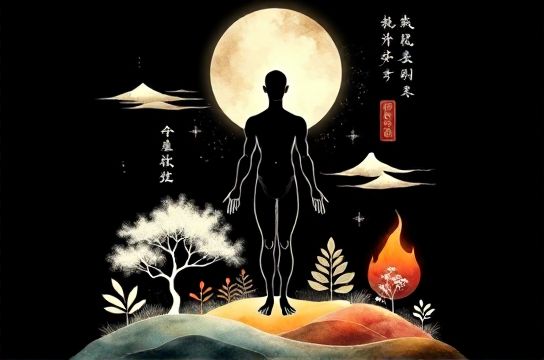
At the core of TCM is the belief that humans are microcosms of the natural world. The five elements — Wood, Fire, Earth, Metal, and Water — mirror seasonal shifts and external climates. Each element governs specific organs and emotions. When the environment changes, your internal balance must adapt — or risk illness.
Let’s get practical. Here’s how common environmental factors influence your health, backed by both TCM theory and modern observations:
The Six External Pathogenic Factors in TCM
TCM identifies six climate-related “evils” that can invade the body if defenses (known as Wei Qi) are weak:
| Pathogen | Associated Season | Common Symptoms | Target Organs |
|---|---|---|---|
| Wind | Spring | Sudden headaches, colds, allergies | Liver |
| Cold | Winter | Joint pain, chills, poor circulation | Kidneys |
| Summer Heat | Summer | Fatigue, dehydration, irritability | Heart |
| Dampness | Long Summer (late summer) | Bloating, heaviness, fungal infections | Spleen |
| Dryness | Autumn | Dry skin, cough, constipation | Lungs |
| Fire/Heat | Summer (peak) | Inflammation, acne, insomnia | Heart, Liver |
For example, living in a damp apartment isn’t just uncomfortable — TCM says it weakens the Spleen’s ability to transform fluids, leading to bloating or even weight gain. That’s not anecdotal; a 2021 study in the *Journal of Ethnopharmacology* found patients with chronic fatigue in humid climates showed improved Spleen Qi after herbal treatment targeting Dampness.
Seasonal transitions are critical. Did you know that in China, millions follow the “24 Solar Terms” calendar to adjust diets and routines? During “Grain in Ear” (around June 5–7), people avoid greasy foods to prevent internal Dampness from combining with external humidity — a combo TCM warns can trigger migraines or digestive issues.
So what can you do?
- Winter: Warm soups, root vegetables, early bedtime to nourish Kidney Yang.
- Summer: Hydrate with cooling foods like cucumber and mung beans to combat Heat.
- Monsoon season: Add ginger and turmeric to meals to dry Dampness.
TCM doesn’t separate you from your environment — it teaches harmony. By aligning lifestyle with nature’s rhythm, you’re not just avoiding illness. You’re thriving, season by season.