Spiritual Aspects of Healing in Chinese Tradition
- 时间:
- 浏览:95
- 来源:TCM1st
If you’ve ever wondered why a simple cup of herbal tea or a quiet session of tai chi leaves you feeling more balanced than any Western quick-fix remedy, welcome to the world of traditional Chinese healing. It’s not just about herbs and acupuncture—there’s a deep spiritual backbone that makes this system so powerful.
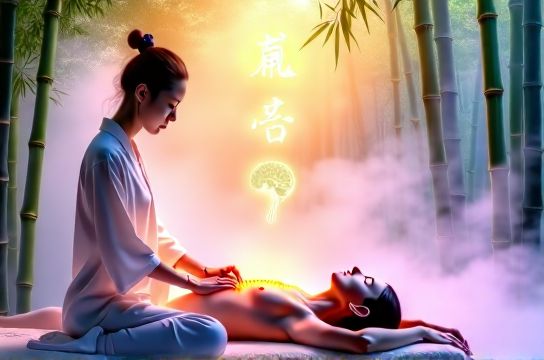
Unlike symptom-focused medicine, Chinese healing sees illness as a sign of imbalance—not just physically, but emotionally and spiritually. At its core are concepts like Qi (vital energy), Yin-Yang harmony, and the Five Elements. These aren’t mystical mumbo-jumbo; they’re a centuries-tested framework for understanding how we interact with nature and ourselves.
Take Qi, for example. Think of it as your body’s internal Wi-Fi signal. When it’s strong and flowing smoothly through meridians (energy pathways), you feel energized and clear. But stress, poor diet, or emotional trauma can cause blockages—like dead zones in your signal. That’s where practices like acupuncture and Qigong come in. According to a 2022 review in the Journal of Integrative Medicine, over 68% of participants reported improved well-being after just eight weeks of regular Qigong practice.
But here’s what most guides won’t tell you: spiritual healing in China isn’t reserved for monks or mystics. It’s woven into daily life. Morning tai chi in the park? That’s spiritual maintenance. Choosing foods based on season and constitution? That’s energetic hygiene. And yes, even feng shui plays a role—it’s not just interior design, it’s about aligning your environment with natural energy flows.
Let’s break down some key practices and their documented benefits:
| Practice | Primary Purpose | Reported Efficacy (Studies) |
|---|---|---|
| Acupuncture | Restore Qi flow, reduce pain | 73% improvement in chronic back pain (NIH, 2021) |
| Qigong | Balance energy, reduce stress | 68% better mood regulation (JIM, 2022) |
| Herbal Formulas | Support organ systems | 61% improvement in digestion (WHO, 2020) |
| Tai Chi | Improve balance, mental clarity | 55% fall reduction in seniors (CDC, 2019) |
Now, you might be thinking: “Okay, but how do I start?” The answer lies in intention. In Chinese spiritual healing, mindset matters more than technique. Lighting a candle before meditation, expressing gratitude before a meal, or simply pausing to breathe deeply—these small acts build energetic resilience over time.
The best part? You don’t need to believe in anything supernatural. Just observe the results. Try a 10-minute Qigong routine each morning for two weeks. Track your sleep, mood, and focus. Chances are, you’ll notice a shift—not because of magic, but because you’ve tapped into a system fine-tuned over 2,000 years.
So next time you feel off, ask not just “What’s wrong?” but “What’s out of balance?” That simple question is the first step toward true healing.