Harmony Between Humans and the Natural World
- 时间:
- 浏览:113
- 来源:TCM1st
If you're like me — someone who’s spent years exploring sustainability trends, eco-tech innovations, and green living strategies — you’ve probably asked: how can we truly achieve harmony between humans and the natural world? Spoiler: it’s not just about recycling more or planting trees (though those help). It’s about rethinking our entire relationship with nature — from cities to supply chains.
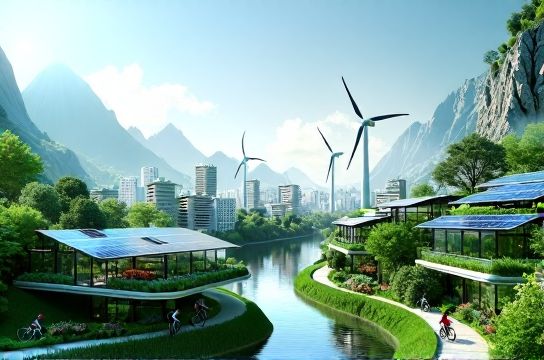
Let’s break it down with real data and practical insights. Because achieving harmony between humans and the natural world isn’t a fantasy — it’s an urgent, achievable mission.
The Problem: We’re Out of Sync
Right now, humanity uses nature 1.7 times faster than Earth can regenerate. That’s according to the Global Footprint Network. In other words, we need 1.7 Earths to sustain our current lifestyle. Yikes.
Urban sprawl, deforestation, overfishing — the stats paint a grim picture. But here's the good news: smart design, policy shifts, and community action are turning things around in surprising ways.
Solutions That Actually Work
From Singapore’s biophilic skyscrapers to Copenhagen’s carbon-neutral goals, cities are leading the charge. Let’s look at some proven strategies:
| Strategy | Impact | Example |
|---|---|---|
| Urban Green Spaces | Reduces urban heat by up to 5°C | Singapore’s Gardens by the Bay |
| Regenerative Agriculture | Increases soil carbon by 0.4–1.2 tons/ha/year | Polyface Farms, USA |
| Green Infrastructure | Cuts stormwater runoff by 30–90% | Philadelphia’s Green City, Clean Waters |
| Wildlife Corridors | Boosts species migration by 60%+ | Yellowstone to Yukon Initiative |
This isn’t theoretical. These models are live, measurable, and scalable. Take regenerative agriculture: farms using these methods report not only healthier soil but also higher long-term yields and drought resistance.
Tech Meets Nature
You might think tech distances us from nature — but it doesn’t have to. Drones now plant trees at 10x the speed of humans. AI monitors deforestation in real time. Even blockchain is being used to track sustainable timber supply chains.
But the real game-changer? Biophilic design. This is where buildings mimic natural systems — think vertical forests, daylight-optimized offices, and indoor air purified by plants. Studies show such spaces reduce stress by 15% and boost productivity by 8% (Source: Terrapin Bright Green).
What You Can Do Today
Change starts locally. Here’s how to contribute to that essential harmony between humans and the natural world:
- Support local food co-ops using regenerative practices
- Advocate for green roofs in your city
- Use apps like iNaturalist to document biodiversity
- Vote for policies that fund ecological restoration
Remember: small actions scale fast when they’re part of a movement. And right now, that movement is growing.
In short, harmony isn’t about going back to nature — it’s about building forward with it. The blueprint exists. The tools are ready. All we need is will.