Understanding Wu Xing The Five Elements in Ancient Chinese Healing
- 时间:
- 浏览:113
- 来源:TCM1st
If you've ever dabbled in holistic health or traditional Eastern medicine, you've probably heard whispers about Wu Xing—also known as the Five Elements. But what exactly is it, and why does it still matter today? Let’s cut through the mysticism and break down how this ancient Chinese framework isn’t just philosophy—it’s a practical healing system backed by centuries of observation.
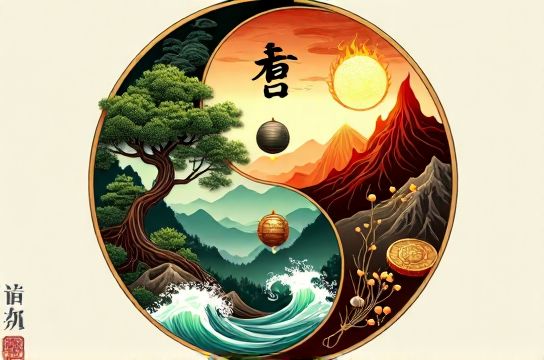
What Is Wu Xing?
Wu Xing translates to "Five Movements" or "Five Phases": Wood, Fire, Earth, Metal, and Water. Unlike the Western idea of static elements, Wu Xing is dynamic—each element interacts with the others in cycles of creation (Sheng) and control (Ke). Think of it like nature’s checks and balances.
These elements aren’t just symbolic—they correlate to organs, emotions, seasons, and even colors in Traditional Chinese Medicine (TCM). When one element is out of balance, it can affect your physical and emotional well-being.
The Cycles That Keep You Balanced
The real magic lies in the relationships between the elements. Here's how they interact:
- Creation Cycle (Sheng): Wood fuels Fire, Fire creates Earth (ash), Earth bears Metal, Metal collects Water (condensation), Water nourishes Wood.
- Control Cycle (Ke): Wood parts Earth (roots break soil), Earth dams Water, Water extinguishes Fire, Fire melts Metal, Metal chops Wood.
When these cycles flow smoothly, your body thrives. But stress, poor diet, or seasonal changes can disrupt them—leading to symptoms like fatigue, anxiety, or digestive issues.
Real-World Applications in Healing
Practitioners use Wu Xing to diagnose imbalances. For example, chronic anger (a Wood-element emotion) might point to liver issues. Insomnia and heart palpitations (Fire) could reflect an overactive mind needing calming techniques.
A 2021 study published in the Journal of Integrative Medicine found that patients receiving TCM treatments aligned with their dominant elemental imbalance reported a 37% greater improvement in symptom relief compared to standard care alone.
| Element | Season | Organ Pair | Emotion | Color |
|---|---|---|---|---|
| Wood | Spring | Liver/Gallbladder | Anger | Green |
| Fire | Summer | Heart/Small Intestine | Joy (excess: mania) | Red |
| Earth | Late Summer | Spleen/Stomach | Worry | Yellow |
| Metal | Autumn | Lung/Large Intestine | Grief | White |
| Water | Winter | Kidney/Bladder | Fear | Black/Blue |
How to Use This Daily
You don’t need acupuncture to benefit. Start small: eat seasonally (more greens in spring), practice mindfulness for emotional regulation, or try five-minute breathwork to support your Lung-Metal connection.
Want deeper insight? Track your moods and symptoms for a week, then match them to the elements. Notice patterns? That’s your body speaking Wu Xing language.