The Philosophical Foundations of Yin and Yang Theory in TCM
- 时间:
- 浏览:116
- 来源:TCM1st
If you've ever dipped your toes into the world of Traditional Chinese Medicine (TCM), you’ve probably heard the term Yin and Yang. But what does it really mean beyond that iconic black-and-white symbol? As someone who’s spent over a decade researching holistic health systems, I’m here to break down the philosophical foundations behind this ancient concept — not just as a metaphor, but as a living framework that still guides modern TCM practice.
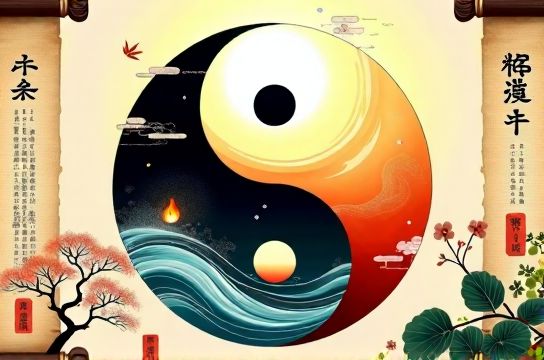
At its core, Yin and Yang aren’t opposites. They’re complementary forces — think of them like inhale and exhale, day and night, or rest and activity. In TCM, health is seen as a dynamic balance between these energies, while disease arises when one dominates the other. This isn’t just poetic thinking; it’s a system rooted in observation, pattern recognition, and centuries of clinical refinement.
Let’s get practical. Here’s how Yin and Yang manifest in the body:
| Aspect | Yin Characteristics | Yang Characteristics |
|---|---|---|
| Body Functions | Cooling, nourishing, moistening | Warming, energizing, drying |
| Tissue Type | Blood, fluids, organs (Zang) | Qi, energy,腑 organs (Fu) |
| Symptoms of Excess | Edema, fatigue, cold limbs | Restlessness, fever, sweating |
| Symptoms of Deficiency | Dry skin, night sweats, insomnia | Low energy, poor digestion, aversion to cold |
This table isn’t just theory — it’s used daily by TCM practitioners to diagnose imbalances. For example, chronic fatigue with cold hands and frequent urination? That points to Yang deficiency. On the flip side, hot flashes and irritability at night suggest Yin deficiency, commonly seen in menopausal women or overworked professionals burning the candle at both ends.
But where does this idea come from historically? The earliest clear references appear in the Huangdi Neijing (The Yellow Emperor’s Inner Canon), compiled around 100 BCE. It states: “The yang qi is like the sky, the yin qi like the earth.” This cosmic analogy reflects how deeply philosophical TCM is — drawing parallels between nature and the human body.
Modern studies are starting to validate this. A 2021 review published in the Journal of Integrative Medicine found that patients with diagnosed Yin deficiency often showed measurable changes in cortisol levels, heart rate variability, and inflammatory markers — suggesting a physiological basis for these ancient categories.
So how can you apply this today? Start by observing rhythms in your own life. Are you constantly pushing through exhaustion (excess Yang)? Or feeling drained, unmotivated, and dry (Yin depletion)? Simple lifestyle shifts — like prioritizing sleep, adjusting diet (more soups vs. spicy foods), or practicing mindfulness — can help restore balance.
In essence, Yin and Yang in TCM isn’t mystical mumbo-jumbo. It’s a time-tested model for understanding health as flow, not fixity. And once you grasp its logic, you’ll see it everywhere — in your body, your habits, and even your calendar.