Li Shizhen Contributions to Herbal Medicine and Ben Cao Gangmu
- 时间:
- 浏览:108
- 来源:TCM1st
If you're into natural healing or just fascinated by ancient wisdom that still holds up today, you’ve probably heard whispers about Li Shizhen. But let’s be real—most people don’t know just how revolutionary this 16th-century Chinese physician was. Forget your average herbalist; Li Shizhen didn’t just study herbs—he rewrote the book on them. Literally.
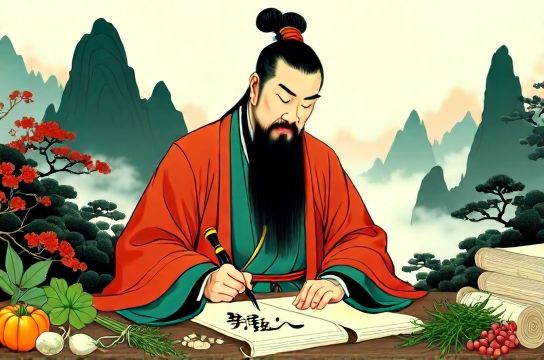
His masterpiece? The Ben Cao Gangmu, also known as the Compendium of Materia Medica. This isn’t some dusty old textbook—it’s a 52-volume beast that cataloged over 1,800 medicinal substances, including plants, animals, and minerals. And get this: he personally verified more than 1,000 of them through fieldwork, tasting, and observation. Now that’s dedication.
What makes Li Shizhen stand out from other scholars of his time is his scientific approach. While others copied ancient texts blindly, he questioned them. For example, older books claimed that lead could prolong life. Li Shizhen tested it (not on himself, thankfully) and concluded it was toxic—spot on with modern science.
Why Ben Cao Gangmu Was a Game-Changer
Before Ben Cao Gangmu, Chinese herbal medicine was a mess of conflicting info. Recipes varied, names overlapped, and mistakes were common. Li Shizhen fixed that with a classification system so smart, it influenced botany in Europe centuries later.
Here’s a quick look at what the compendium actually covered:
| Category | Number of Substances | Examples |
|---|---|---|
| Herbs | 1,195 | Ginseng, Ephedra |
| Minerals | 374 | Cinnabar, Gypsum |
| Animals | 469 | Deer antler, Earthworm |
| Grains & Fruits | 150+ | Millet, Jujube |
This wasn’t just listing stuff—it included preparation methods, dosages, side effects, and even illustrations. Over 1,100 woodblock prints helped users ID the right plant. Talk about user-friendly design in the 1500s!
Legacy That Still Matters Today
You might think, "Ancient text? Cool history, but does it matter now?" Absolutely. Modern researchers still reference Ben Cao Gangmu when studying traditional remedies. In fact, artemisinin—a malaria drug derived from Artemisia annua (sweet wormwood)—was first mentioned in the compendium. Tu Youyou, who won the Nobel Prize for discovering it, credited classical Chinese texts, including Li Shizhen’s work.
And here’s a fun stat: over 40% of modern Chinese herbal formulas trace their roots back to ingredients documented by Li Shizhen. That’s not just influence—that’s legacy.
So next time someone says “natural medicine isn’t scientific,” hit ’em with the Li Shizhen facts. A man who walked mountains, tested herbs, corrected centuries of errors, and built a system so solid it’s still relevant 500 years later. Now that’s what I call a true pioneer.