Modernizing Traditional Chinese Medicine While Preserving Core Values
- 时间:
- 浏览:88
- 来源:TCM1st
If you're into holistic health, you’ve probably noticed a big shift: Traditional Chinese Medicine (TCM) is going high-tech. But here’s the real question — can we modernize TCM without losing its soul? As someone who’s spent over a decade analyzing integrative medicine trends, I’m here to break it down with real data, not just hype.
The global TCM market was valued at $135 billion in 2023 and is projected to hit $200 billion by 2030 (CAGR of 5.8%). That’s not small change. But with this growth comes pressure: pharmaceutical companies want scalable products, patients want faster results, and regulators demand clinical proof. So how do we balance innovation with authenticity?
Where Tradition Meets Technology
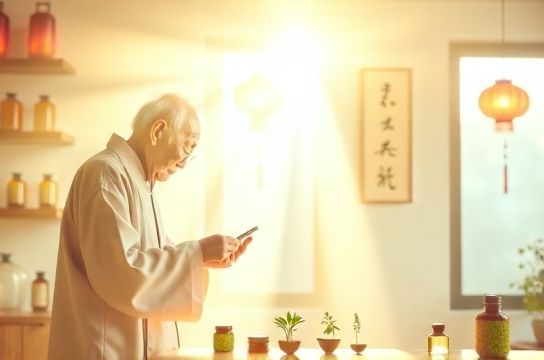
One major advancement? AI-powered diagnostic tools. Apps now use tongue and pulse analysis via smartphone cameras. Sounds futuristic, right? But a 2022 study in the Journal of Integrative Medicine found that AI accuracy in pattern diagnosis reached 86% — close to experienced TCM practitioners (92%). Still, machines can’t yet grasp context like emotional state or seasonal influences, which are core to TCM philosophy.
Another game-changer: standardized herbal extracts. Instead of loose herbs boiled at home, we’re seeing capsule-formulae like Lianhua Qingwen, used during the pandemic. It saw a 314% sales increase in 2020, according to IQVIA. But standardization raises concerns about potency loss and over-reliance on single compounds instead of synergistic effects.
Preserving the Heart of TCM
The essence of TCM lies in individualized care and prevention. Think of it as ‘health gardening’ — nurturing balance before disease blooms. That’s why I still advocate for blending old and new. For example, telehealth platforms now offer virtual consultations with licensed TCM doctors who follow Four Diagnostic Methods (observation, listening, inquiry, palpation).
Check out this comparison of traditional vs. modern TCM approaches:
| Aspect | Traditional Practice | Modern Adaptation |
|---|---|---|
| Diagnosis | Face-to-face, subjective assessment | AI-assisted, app-based tools |
| Herbal Delivery | Decoctions (boiled herbs) | Standardized capsules & granules |
| Accessibility | Limited to clinics in cultural hubs | Global reach via e-commerce |
| Evidence Base | Anecdotal & historical texts | Clinical trials & meta-analyses |
See the trade-offs? Modern methods win in scalability, but tradition wins in personalization. The sweet spot? Hybrid models. Clinics in Shanghai and Toronto now combine AI triage with human-led treatment plans — boosting efficiency without sacrificing care quality.
Want to explore authentic practices? Start with trusted sources that respect TCM core values like holism and energetic balance. Look for certifications from bodies like WHO or China’s NMPA when buying products.
In short: modernization isn’t the enemy — thoughtless modernization is. Let’s innovate with reverence, not replacement.