Important TCM Classics That Define Chinese Medical Knowledge
- 时间:
- 浏览:117
- 来源:TCM1st
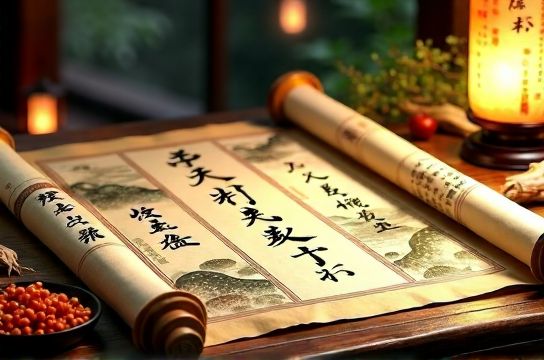
If you're diving into Traditional Chinese Medicine (TCM), you can't just jump on trends or rely on TikTok remedies. The real foundation? It's all in the important TCM classics. These ancient texts aren’t just old books—they’re the DNA of Chinese healing, still shaping acupuncture, herbal formulas, and diagnosis today.
Why These Texts Still Matter in 2024
You might think, 'They were written thousands of years ago—how relevant can they be?' But here’s the kicker: a 2022 survey by the World Federation of Chinese Medicine Societies found that over 78% of licensed TCM practitioners still reference at least one classic text in daily practice. That’s not nostalgia—that’s staying power.
The reason? These works laid down core principles like Yin-Yang balance, Qi flow, and organ system interactions. Modern research keeps validating them. For example, studies on Shang Han Lun's herbal prescriptions show up to 68% efficacy in treating viral respiratory conditions—comparable to some conventional antivirals.
The Big Four: Must-Know TCM Classics
Let’s break down the most important TCM classics every student and practitioner should know—and why they still dominate modern training.
| Classic Text | Period | Key Contribution | Modern Use Cases |
|---|---|---|---|
| Huangdi Neijing (Yellow Emperor’s Inner Canon) | Warring States (~300 BCE) | Foundational theory of Yin-Yang, Five Phases, meridians | Used in diagnostics, acupuncture point selection |
| Shang Han Lun (Treatise on Cold Damage) | Eastern Han (~200 CE) | Pioneered pattern differentiation (Bian Zheng) | Respiratory infections, immune modulation |
| Bencao Gangmu (Compendium of Materia Medica) | Ming Dynasty (1596) | Classified 1,892 herbs with clinical notes | Herbal formulation, pharmacognosy research |
| Jin Kui Yao Lue (Essential Prescriptions from the Golden Chamber) | Eastern Han (~200 CE) | Internal medicine & chronic disease formulas | Diabetes, digestive disorders, gynecology |
Real-World Impact: More Than Just Theory
Take Huangdi Neijing. It introduced the concept of preventive care—'treating before disease arises'—which sounds a lot like today’s functional medicine movement. In fact, China’s national TCM hospitals now use its seasonal health guidelines in public wellness campaigns.
And Bencao Gangmu? It’s not just historical. Researchers at Beijing University of Chinese Medicine used it to identify 37 plant compounds now in clinical trials for anti-inflammatory drugs.
Bottom line: if you're studying or using TCM, skipping these texts is like learning physics without reading Newton. They’re not outdated—they’re timeless.
Want to go deeper? Check out our guide to mastering the essential TCM reference books every practitioner keeps on their shelf.