Influential Physicians in the History of Chinese Medicine Development
- 时间:
- 浏览:99
- 来源:TCM1st
If you're diving into the world of holistic healing and natural remedies, understanding the roots of Traditional Chinese Medicine (TCM) is a must. It’s not just about herbs and acupuncture—it’s built on centuries of observation, trial, and genius-level insights from some seriously influential physicians. These pioneers didn’t just treat symptoms; they shaped entire systems of health that are still used today.
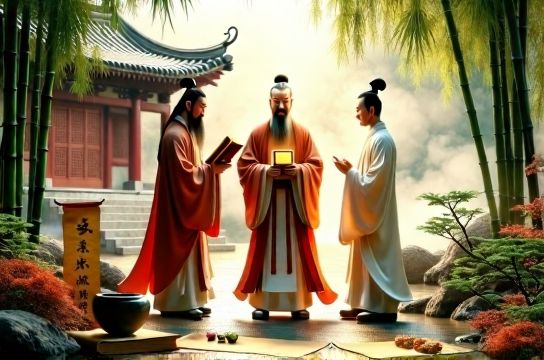
The Foundational Minds Behind TCM
When we talk about the heavyweights in Chinese medicine, a few names stand tall. Think of them as the OGs—the original innovators whose work laid the groundwork for everything from herbal prescriptions to pulse diagnosis.
- Zhang Zhongjing – The 'Chinese Hippocrates'
- Hua Tuo – Surgical pioneer way ahead of his time
- Sun Simiao – The 'King of Medicine' with ethics-first philosophy
- Li Shizhen – Author of the ultimate herbal encyclopedia
These weren’t just doctors—they were visionaries who combined compassion, science (for their era), and deep philosophical understanding of balance and energy.
Breakthrough Contributions That Still Matter Today
Let’s get real: modern TCM wouldn’t exist without these legends. Here’s a quick breakdown of what each brought to the table:
| Physician | Era | Key Contribution | Legacy Today |
|---|---|---|---|
| Zhang Zhongjing | Eastern Han (c. 150–219 CE) | Authored Shanghan Lun, systematized treatment by patterns | Core text in TCM education worldwide |
| Hua Tuo | Late Han Dynasty | Developed mafeisan (early anesthetic); practiced surgery | Pioneer in pain management concepts |
| Sun Simiao | Tang Dynasty (581–682 CE) | Wrote Beiji Qianjin Yaofang; emphasized medical ethics | Considered father of Chinese medical morality |
| Li Shizhen | Ming Dynasty (1518–1593) | Compiled Bencao Gangmu (Compendium of Materia Medica) | Referenced globally in herbal research |
This isn’t ancient history—it’s living knowledge. Many formulas from Zhang Zhongjing’s texts are still prescribed today for immune support and digestive issues. And Li Shizhen’s Bencao Gangmu? It cataloged over 1,800 medicinal substances and influenced botanical studies far beyond China.
Why This Matters for Modern Wellness Seekers
You don’t need a PhD in Chinese herbal medicine to appreciate how these physicians changed global health. Their emphasis on prevention, personalized care, and harmony between body and environment aligns perfectly with today’s functional medicine trends.
For example, Sun Simiao believed doctors should treat poverty and nutrition before prescribing pills—a mindset now echoed in integrative healthcare models.
Final Thoughts
The legacy of these influential physicians proves that true innovation stands the test of time. Whether you’re exploring acupuncture, herbal blends, or holistic diagnostics, you’re walking a path paved by brilliant minds who saw medicine as both art and science.
So next time you sip a cup of goji tea or try moxibustion for joint pain, remember—you’re benefiting from over 2,000 years of refined wisdom.