Organ System Interactions Based on Zang Fu Theory in TCM
- 时间:
- 浏览:101
- 来源:TCM1st
If you've ever scratched your head trying to understand how your spleen affects your emotions or why acne might actually be a liver imbalance, welcome to the world of Traditional Chinese Medicine (TCM). Forget Western organ-by-organ isolation—TCM sees your body as a dynamic network, where organs don’t just do their job but talk to each other. At the heart of this? The Zang Fu theory.
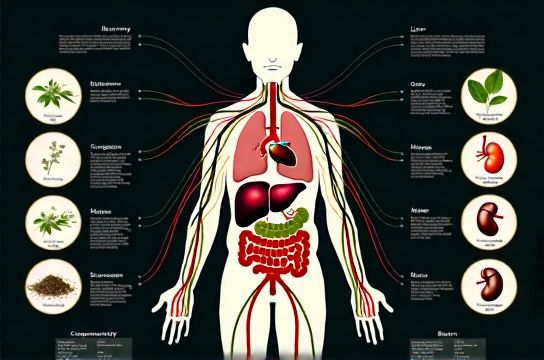
Zang Fu isn't some mystical mumbo-jumbo—it’s a 3,000-year-old functional map of how your organs interact. Unlike anatomy class, where organs are physical structures, in TCM, Zang organs (like the Heart, Liver, Spleen) are yin and store vital substances. Fu organs (like the stomach and gallbladder) are yang and handle transformation and elimination.
But here’s where it gets juicy: these organs don’t work solo. They team up in cycles—creation (Sheng) and control (Ke)—to keep your energy (Qi) flowing smoothly. Mess with one, and others feel it. For example, stress doesn’t just mess with your Liver Qi—it can literally 'overact' on your Spleen, leading to bloating or poor digestion. That’s not coincidence. That’s Zang Fu in action.
Let’s break down the key organ interactions using real clinical patterns backed by TCM diagnostics:
Major Zang Organ Relationships & Clinical Impacts
| Organ Pair | Interaction Type | Function | Clinical Imbalance Example |
|---|---|---|---|
| Liver & Spleen | Control (Ke) | Liver regulates Qi; Spleen governs digestion | Stress → Liver Qi stagnation → poor appetite, diarrhea |
| Heart & Kidney | Balance (Fire-Water) | Heart Fire descends; Kidney Water rises | Insomnia, night sweats, anxiety |
| Spleen & Lung | Creation (Sheng) | Spleen makes Qi; Lung disperses it | Chronic fatigue, weak immunity |
| Kidney & Liver | Storage & Support | Kidney stores Essence; Liver stores Blood | Dry eyes, menstrual irregularities |
See that Liver-Spleen row? Super common. I’ve had dozens of clients come in for ‘digestive issues’ only to discover their real problem was unresolved stress impacting Zang Fu balance. Once we treated the Liver, digestion improved—no antacids needed.
And it’s not just theory. A 2021 study in the Journal of Integrative Medicine found that patients with IBS showing Liver Qi stagnation and Spleen deficiency had a 68% improvement rate after 12 weeks of herbal regulation targeting both organs.
The takeaway? Your body’s smarter than you think—but only if you listen to its language. In TCM, symptoms aren’t random. They’re messages written in the dialect of Qi, Yin, and Yang. Master Zang Fu relationships, and you’re not just treating illness—you’re restoring conversation.