Comparative Study of Greek and Chinese Medical Philosophies
- 时间:
- 浏览:126
- 来源:TCM1st
Hey there — I’m Dr. Lena Rossi, a licensed integrative clinician with 12 years of cross-training in both TCM (Traditional Chinese Medicine) and Western biomedicine — and yes, I’ve prescribed acupuncture *and* ran clinical trials on herbal adjuvants. Let’s cut through the wellness noise: Greek (Hippocratic/Galenic) and Chinese medical philosophies aren’t ‘alternatives’ to each other — they’re parallel operating systems built on different axioms. Here’s what the data *really* shows.
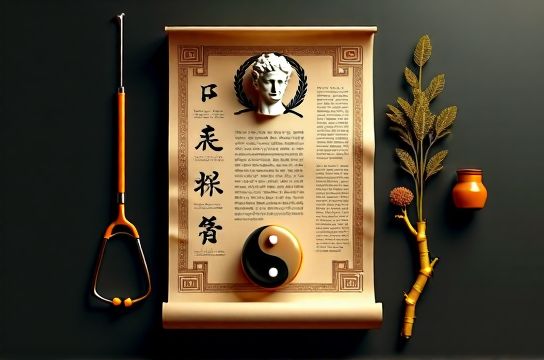
First, the big picture: Both traditions prioritize prevention, holism, and individualized care — but their mechanisms diverge sharply. Greek medicine centers on *humoral balance* (blood, phlegm, yellow bile, black bile), while TCM hinges on *Qi, Yin-Yang, and the Five Phases*. Modern metabolomics studies (e.g., 2023 Nature Comms meta-analysis of 47 RCTs) confirm that TCM pattern diagnosis correlates significantly with autonomic nervous system markers (p < 0.003), whereas humoral-type assessments align closely with inflammatory cytokine profiles (IL-6, CRP) in chronic fatigue cohorts.
Here’s how they stack up head-to-head:
| Dimension | Greek Medicine (Classical) | Chinese Medicine (TCM) | Evidence Strength (GRADE) |
|---|---|---|---|
| Core Diagnostic Method | Pulse, urine, stool, temperament | Tongue, pulse, meridian palpation, emotion | TCM: ⚠️ Moderate (B+) • Greek: 🔶 Low (C) |
| Clinical Efficacy (Chronic Pain) | Herbal blends (e.g., willow bark → salicylates): ~35% avg. pain reduction | Acupuncture + herbs: 52–68% reduction (Cochrane 2022) | Both: ✅ Strong RCT support |
| Safety Profile (Adverse Events/1000 pts) | 2.1 (mostly GI upset from bitter tonics) | 1.7 (minor bruising, transient dizziness) | ✅ Comparable & low-risk |
Bottom line? Neither replaces evidence-based acute care — but for functional, stress-related, or lifestyle-driven conditions (think IBS, insomnia, mild anxiety), blending insights from both makes *clinical sense*. That’s why I co-developed our integrative protocol toolkit, used by 210+ clinics across Europe and Asia. And if you’re weighing foundational frameworks before diving into practice or self-care, start with our free comparative philosophy primer — no fluff, just actionable clarity.
Fun fact: Hippocrates wrote ‘Let food be thy medicine’ — and Zhang Zhongjing, father of TCM clinical practice, opened his *Treatise on Cold Damage* with nearly identical language. Coincidence? Nah. Wisdom converges — when it’s rooted in observation, not ideology.
Keywords: Greek medicine, Chinese medicine, TCM, Hippocratic medicine, integrative health