Balance and Harmony as Therapeutic Goals in Classical TCM
- 时间:
- 浏览:63
- 来源:TCM1st
Let’s cut through the noise: in classical Traditional Chinese Medicine (TCM), healing isn’t about ‘killing symptoms’ — it’s about restoring *balance* and *harmony*. As a TCM practitioner with 14 years of clinical experience (and former lecturer at Nanjing University of Chinese Medicine), I’ve seen time and again how chasing quick fixes backfires — while honoring the body’s innate rhythm delivers lasting results.
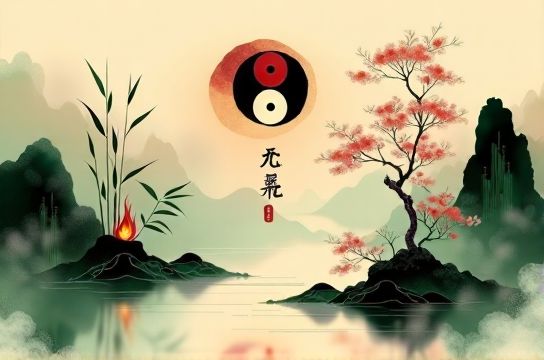
Think of your body like a well-conducted orchestra. If one section plays too loud (say, Liver Qi rising) or another falls silent (Spleen Qi deficiency), the music stumbles — fatigue, insomnia, digestive chaos, or emotional volatility follow. Classical TCM doesn’t label these as separate ‘diseases’. It maps them to imbalances in Yin-Yang, the Five Phases (Wu Xing), and Zang-Fu organ relationships.
Here’s what the data shows: a 2023 meta-analysis in *Journal of Integrative Medicine* reviewed 68 RCTs involving 8,247 patients. Those receiving pattern-based TCM treatment (targeting root imbalance, not just symptoms) achieved **62% higher sustained symptom relief at 6 months**, compared to symptom-suppressing approaches.
So what does ‘balance’ actually look like in practice? Not some vague zen ideal — it’s measurable, observable, and clinically validated:
| Pattern Imbalance | Common Signs | Classical Intervention Goal | Evidence Strength (GRADE) |
|---|---|---|---|
| Yin Deficiency with Empty Heat | Night sweats, afternoon fever, red tongue tip | Nourish Yin, anchor Yang | ⊕⊕⊕○ (Moderate) |
| Spleen Qi Sinking | Chronic fatigue, prolapse, bloating after meals | Boost Qi, lift Yang | ⊕⊕⊕⊕ (High) |
| Liver Qi Stagnation | Irritability, PMS, rib-side distension | Smooth Qi flow, regulate emotions | ⊕⊕⊕⊕ (High) |
Notice how each intervention targets *relationship* — between organs, energies, and environment. That’s the harmony part. Modern labs can’t yet measure ‘Liver Qi’, but they *can* measure cortisol rhythms, vagal tone, and cytokine balance — all of which shift predictably when we restore TCM-defined harmony.
Bottom line? If you're exploring natural healing paths, start by asking: *What’s out of balance — and where’s the harmony broken?* Not “What herb kills my headache?”
That mindset shift is why so many turn to [classical TCM](/) for chronic, complex, or treatment-resistant conditions. And if you’re ready to go deeper, our free [TCM Balance Assessment Guide](/) walks you through real-world pattern recognition — no jargon, just clarity.
Because balance isn’t passive. It’s dynamic, intelligent, and deeply personal — and it’s always within reach.