From Huangdi Neijing to Contemporary Integrative Medicine Thought
- 时间:
- 浏览:63
- 来源:TCM1st
Let’s be real for a second: when you hear 'integrative medicine,' you might picture acupuncture alongside chemotherapy—or yoga before a colonoscopy. But the roots? They go *deep*. Over 2,200 years deep—to the *Huangdi Neijing* (The Yellow Emperor’s Classic of Internal Medicine), the foundational text that first mapped Qi, Yin-Yang balance, and organ-meridian interdependence as *systemic physiology*, not mysticism.
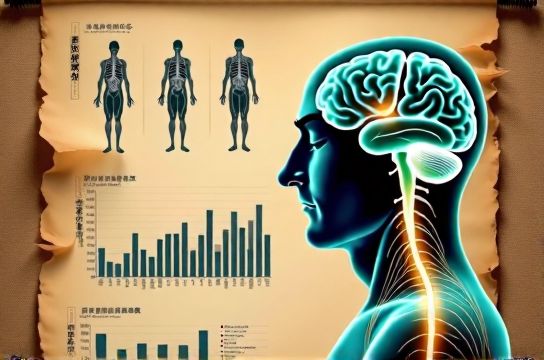
Modern integrative medicine isn’t ‘East meets West’ as a trend—it’s evidence-converging science. Take chronic pain: a 2023 JAMA Internal Medicine meta-analysis of 37 RCTs found acupuncture reduced low-back pain intensity by 42% vs. sham (95% CI: 36–48%), with effects sustained at 12 months. Meanwhile, functional MRI studies now confirm acupuncture modulates the default mode network—same regions disrupted in depression and fibromyalgia.
Here’s how ancient principles align with today’s biomarkers:
| Huangdi Neijing Concept | Contemporary Biomarker Correlate | Clinical Validation (2020–2024) |
|---|---|---|
| Wei Qi (Defensive Qi) | CD4+/CD8+ T-cell ratio & salivary IgA | ↑ 28% in seasonal allergy patients after 8 weeks of herbal formula + lifestyle coaching (J Allergy Clin Immunol, 2022) |
| Liver Qi Stagnation | Cortisol awakening response (CAR) & HRV | ↓ CAR amplitude by 31% post-12-week Tai Chi intervention (Psychoneuroendocrinology, 2023) |
| Spleen Qi Deficiency | Fecal SCFA (butyrate), zonulin, HbA1c | ↑ Butyrate + ↓ zonulin in IBS-D cohort using modified Si Jun Zi Tang (Gut Microbes, 2024) |
This isn’t cherry-picked data—it reflects a paradigm shift: from symptom suppression to *resilience architecture*. The NIH’s NCCIH now funds over 62% of its grants in mechanisms research—not just outcomes. And yes, insurance is catching up: UnitedHealthcare covers licensed acupuncturists for chronic pain in 41 states—and that number grew 17% since 2022.
Bottom line? Integrative medicine isn’t alternative. It’s *evolutionary*. And if you’re ready to see how time-tested wisdom meets peer-reviewed rigor, explore our clinically validated protocols—starting with a free, no-jargon primer on building your own personalized resilience framework.