Developing International Standards for Traditional Chinese Medicine
- 时间:
- 浏览:100
- 来源:TCM1st
If you're diving into the world of holistic health, you've probably heard the buzz around Traditional Chinese Medicine (TCM). But with so many practices, herbs, and therapies floating around globally, how do we ensure safety, consistency, and effectiveness? The answer lies in developing international standards for Traditional Chinese Medicine — and trust me, it’s a game-changer.
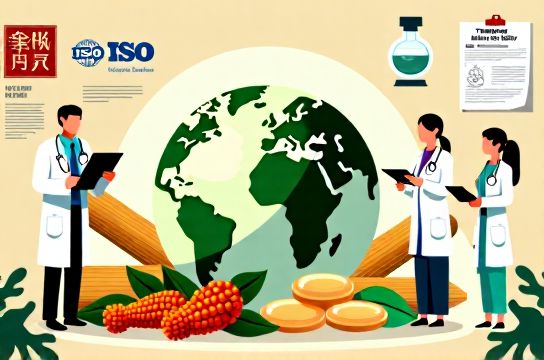
As a wellness blogger who’s spent years comparing Eastern and Western healing systems, I’ve seen firsthand how unregulated TCM products can mislead consumers. From herbal supplements with zero active ingredients to acupuncture clinics using non-sterile needles, the risks are real. That’s why global standardization isn’t just a bureaucratic move — it’s a public health necessity.
Take the World Health Organization (WHO), for example. In 2019, they officially included TCM in the International Classification of Diseases (ICD-11), marking a major step toward global recognition. But inclusion doesn’t equal regulation. That’s where organizations like ISO/TC 249 come in — the International Organization for Standardization’s technical committee dedicated to TCM. Since 2009, they’ve published over 80 standards covering everything from herbal cultivation to equipment safety.
Let’s break down why this matters using real data:
Key TCM Global Market & Regulation Insights
| Metric | Value | Source |
|---|---|---|
| Global TCM Market Size (2023) | $175 billion | Grand View Research |
| Projected Market (2030) | $330 billion | Statista |
| ISO TCM Standards Published | 84+ | ISO.org |
| Countries Regulating TCM Herbs | 29 | WHO Report 2022 |
Now, here’s the kicker: while demand is skyrocketing, regulatory coverage isn’t keeping pace. Only about 30% of countries have formal TCM regulations. This gap allows low-quality products to flood markets — especially online. A 2021 study in Phytomedicine found that 42% of imported TCM herbal products failed purity tests due to contaminants or undeclared pharmaceuticals.
So what should you look for as a consumer? Prioritize products certified under ISO standards like ISO 18664:2015 (herbal medicine testing) or ISO 17218:2014 (acupuncture needle safety). These aren’t just acronyms — they mean tested ingredients, traceable sourcing, and clinical validation.
And if you're a practitioner or brand, getting aligned with international benchmarks isn’t optional anymore. Countries like Australia and Singapore now require ISO compliance for TCM product registration. Even the EU’s Traditional Herbal Medicinal Products Directive references ISO guidelines.
In short, the future of Traditional Chinese Medicine hinges on trust — and trust comes from transparency. Whether you’re a patient, provider, or policymaker, supporting global standardization means safer treatments, better outcomes, and wider acceptance. The movement is already underway. The question is: are you on board?