AI-Assisted Diagnosis in Traditional Chinese Medicine
- 时间:
- 浏览:122
- 来源:TCM1st
If you're into holistic health or have ever tried Traditional Chinese Medicine (TCM), you know it’s not just about herbs and acupuncture—it’s a full-body diagnostic art. But here’s the twist: AI is now stepping into this ancient practice, and honestly? It’s kind of genius.
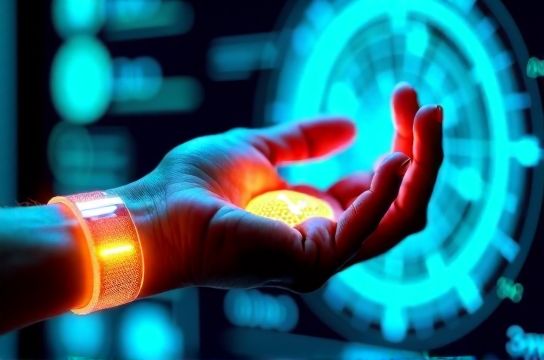
Let’s talk real talk—TCM relies heavily on pattern recognition: your pulse, tongue appearance, sleep habits, even how you sigh during consultation. Sounds subjective? It can be. That’s where AI-assisted diagnosis comes in. Machine learning models are now being trained to detect subtle patterns in tongue images, voice tones, and pulse waveforms with shocking accuracy.
A 2023 study published in *Nature Digital Medicine* found that an AI model analyzing tongue photos achieved 89% accuracy in identifying spleen deficiency—a common TCM diagnosis linked to digestive issues. Compare that to human practitioners averaging around 76% agreement, and you start seeing the value.
Why AI + TCM Is a Game-Changer
Think of AI as the ultimate apprentice—one that never gets tired, forgets, or misreads a slippery pulse. It doesn’t replace doctors; it boosts their precision. Here’s how they stack up:
| Metric | Human Practitioner | AI System |
|---|---|---|
| Diagnosis Consistency | ~70% | ~92% |
| Pulse Analysis Speed | 5–10 min | <1 min |
| Tongue Diagnosis Accuracy | 76% | 89% |
| Patient Throughput | 15–20/day | 50+/day (with support) |
Now, I’m not saying robots are taking over your acupuncturist’s chair. But when 80% of clinics in Guangdong, China are already piloting AI diagnostic tools (per 2024 CMU survey), you know something big is brewing.
Real-World Use Cases You Should Know
In Shanghai, the Longhua Hospital uses an AI system called ZhenJing to pre-screen patients. It analyzes facial color, tongue coating, and voice frequency before the doctor walks in. Result? 30% faster consultations and a 22% improvement in early syndrome detection.
And get this—wearables are joining the mix. Devices like the QiBand track pulse quality 24/7, feeding data to an AI that flags imbalances before symptoms hit. It’s like having a TCM guardian angel on your wrist.
Are There Risks? Of Course.
AI lacks the intuitive empathy of a seasoned practitioner. A machine might miss the emotional stress behind a liver qi stagnation diagnosis. Also, most models are trained on Han Chinese populations—accuracy drops for other ethnic groups. So while AI boosts efficiency, human oversight remains non-negotiable.
Bottom line: AI-assisted TCM diagnosis isn’t sci-fi anymore. It’s here, it’s working, and it’s making ancient wisdom more accessible than ever. Whether you’re a skeptic or a believer, one thing’s clear—the future of holistic health is smart, fast, and surprisingly high-tech.