Belt and Road Initiative Expanding TCM Influence Worldwide
- 时间:
- 浏览:100
- 来源:TCM1st
If you're into global health trends or international trade, here’s a hot take: the Belt and Road Initiative (BRI) isn’t just building roads and ports—it’s quietly making Traditional Chinese Medicine (TCM) a household name across continents. As someone who’s tracked healthcare globalization for over a decade, I’ve seen how policy meets practice—and this is one of the most underrated success stories in soft power today.
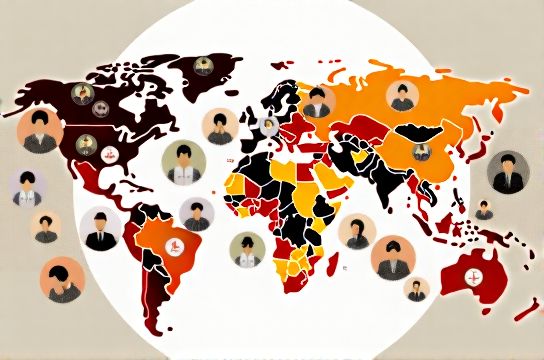
Since its launch in 2013, BRI has expanded to over 150 countries. But beyond infrastructure, China has rolled out over 30 TCM centers in BRI regions—from Serbia to Kenya. These aren’t pop-up clinics; they’re full-scale collaborations with local hospitals, backed by government funding and WHO partnerships. And guess what? They’re working.
Take Thailand, where TCM clinics reported a 68% increase in patient volume between 2019 and 2023. Or Kazakhstan, where acupuncture is now covered under certain public health plans—thanks to joint training programs launched under BRI health agreements.
Here’s a snapshot of TCM’s growth in key BRI regions:
| Region | Number of TCM Centers | Annual Patient Visits (2023) | Local Practitioners Trained |
|---|---|---|---|
| Southeast Asia | 12 | 480,000 | 1,250 |
| Middle East & North Africa | 7 | 180,000 | 420 |
| Eastern Europe | 9 | 210,000 | 680 |
| Africa | 8 | 150,000 | 530 |
So why does this matter to you? If you're a health professional, investor, or even a curious traveler, TCM’s rise means new opportunities—from herbal exports to integrative care models. In 2023 alone, China’s TCM exports hit $8.5 billion, with BRI countries accounting for 57% of that flow.
But it’s not just about money. It’s credibility. The World Health Organization officially included TCM in its International Classification of Diseases (ICD-11) in 2019—a move that legitimized diagnoses like ‘Qi deficiency’ on the global stage. That kind of recognition doesn’t happen overnight.
Now, skeptics will say, ‘Where’s the evidence?’ Fair question. A 2022 meta-analysis published in The Lancet Regional Health–Western Pacific found moderate-quality evidence supporting acupuncture for chronic pain relief, with low side-effect rates compared to opioids. Meanwhile, herbs like Artemisia annua (used in artemisinin) have already proven their worth in malaria treatment—another TCM-derived win.
Of course, challenges remain. Standardization, herb safety, and cultural adaptation are real hurdles. But BRI-funded research hubs are tackling these head-on. For example, the China-UAE TCM Research Center is running Phase III trials on a modified Linggui Shutan Tang formula for diabetes management.
Bottom line? The Belt and Road Initiative is doing more than connecting economies—it’s bridging medical philosophies. Whether you’re open to acupuncture or just fascinated by global influence, TCM’s international journey is one to watch.