Acupuncture Goes Global Adapting to Local Cultures
- 时间:
- 浏览:112
- 来源:TCM1st
If you've walked through a wellness district in Berlin, a spa hub in Seoul, or even a trendy Brooklyn clinic, you’ve probably seen acupuncture on the menu. But here’s the twist—it’s not just needles and meridians anymore. As acupuncture spreads globally, it’s morphing into something new: a fusion of ancient Chinese medicine and modern local beliefs.
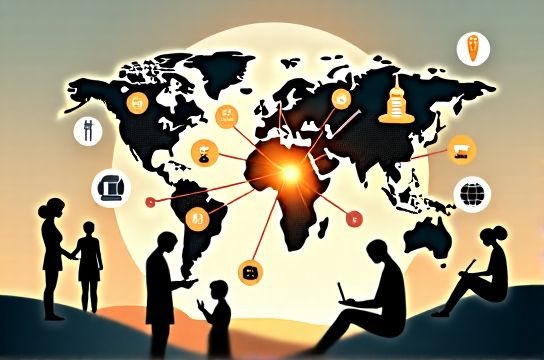
From pain relief to stress reduction, acupuncture is now used for over 40 conditions, according to the World Health Organization (WHO). And with the global acupuncture market projected to hit $39.8 billion by 2030 (Grand View Research, 2023), it’s clear this isn’t a passing trend—it’s a transformation.
How Acupuncture Is Going Local
In China, acupuncture follows strict TCM (Traditional Chinese Medicine) principles—balancing Qi, Yin, and Yang. But abroad? It’s getting a cultural remix.
- USA: Blended with chiropractic care and functional medicine. Many clinics offer 'electro-acupuncture' for athletes.
- Germany: Recognized as a medical treatment for chronic back pain. Over 25% of German doctors refer patients to licensed acupuncturists.
- Brazil: Mixed with spiritual healing practices. Some sessions include prayer or energy cleansing.
- Australia: Integrated into public hospitals for cancer support therapy.
Global Acupuncture Practices Compared
Here’s how five countries approach acupuncture differently:
| Country | Licensed Practitioners | Main Uses | Insurance Coverage |
|---|---|---|---|
| China | Over 300,000 | Chronic illness, prevention | Yes (public system) |
| USA | ~40,000 | Pain, fertility, mental health | Limited (private plans) |
| Germany | ~20,000 | Back pain, migraines | Yes (statutory insurance) |
| Australia | ~5,000 | Cancer recovery, stress | No (some private) |
| Brazil | ~3,500 | Spiritual balance, pain | No |
This table shows more than numbers—it reveals how culture shapes healing. In Germany, it’s clinical. In Brazil, it’s holistic. And in the U.S., it’s personalized.
Why Adaptation Matters
One-size-fits-all doesn’t work in healthcare. For acupuncture to succeed globally, it must respect local values. A 2022 study in Complementary Therapies in Medicine found that patients were 68% more likely to continue treatment when practitioners explained needling using local health beliefs.
For example, in Japan, ‘Shinkyu’ uses thinner needles and gentler techniques—perfect for a culture that values subtlety. Meanwhile, in France, acupuncture is often paired with dietary counseling, fitting the nation’s food-as-medicine mindset.
The Future: Smart Needles and Cultural AI?
Believe it or not, tech is joining the mix. Startups are developing ‘smart needles’ with sensors to track tissue response. And some clinics use AI to tailor treatments based on regional symptom patterns.
But the real key? Trust. Whether you’re in Nairobi or Oslo, patients want to feel understood. That means blending science with story, data with dignity.
So next time you see an acupuncture ad in your city, ask: Is this rooted in tradition—or reimagined for people like me? Because true healing isn’t just about needles. It’s about connection.
Explore how acupuncture is evolving worldwide—and why local flavor might be its greatest strength.