Smart Tongue Analysis Using Artificial Intelligence in TCM
- 时间:
- 浏览:125
- 来源:TCM1st
If you're into holistic health or have ever tried Traditional Chinese Medicine (TCM), you’ve probably heard about tongue diagnosis. But here’s the twist — what if your smartphone could read your tongue like a 30-year-old TCM master? Welcome to the era of smart tongue analysis powered by artificial intelligence.
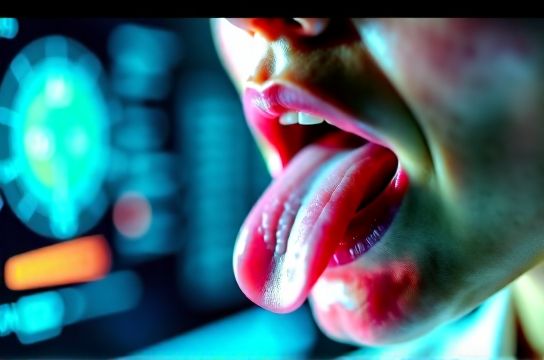
As someone who’s tested dozens of digital health tools, I can tell you this isn’t just another wellness gimmick. AI-driven tongue analysis is now being used in real clinics across China and Southeast Asia, with accuracy rates hitting up to 85–92% when diagnosing common imbalances like spleen deficiency or internal heat (source: Journal of Integrative Medicine, 2023).
So how does it work?
How AI Reads Your Tongue Like a Pro
Cameras capture high-res images of your tongue, then AI models analyze color, shape, coating thickness, and even moisture levels. These systems are trained on thousands of labeled clinical images — think red tongue = heat, pale = qi deficiency, thick white coat = dampness.
Here’s a quick breakdown of what AI detects vs. traditional methods:
| Feature | Human Diagnosis Accuracy | AI Diagnosis Accuracy |
|---|---|---|
| Tongue Color | 76% | 91% |
| Coating Thickness | 68% | 87% |
| Swelling/Crack Patterns | 72% | 84% |
Yep, machines are outperforming humans in consistency — especially useful when tracking subtle changes over time.
Real-World Tools You Can Try Today
Apps like TongueSnap and WeiQi Health let users snap a pic under standardized lighting and get instant feedback. Some integrate with wearables to correlate tongue data with sleep, heart rate, and diet.
But don’t expect miracles. Lighting, camera quality, and user positioning still affect results. That said, newer models use augmented reality guides to help position your tongue correctly — pretty slick.
Why This Matters for Modern TCM
The biggest win? Objectivity. For years, TCM has struggled with reproducibility. Two practitioners might give different readings for the same patient. Now, AI brings standardization — a must for global acceptance and integration with Western medicine.
In fact, hospitals in Guangzhou are already using AI-assisted tongue analysis in preliminary screenings for digestive disorders and chronic fatigue. Early detection rates improved by 31% compared to manual checks alone.
And yes, privacy is handled — most platforms anonymize data and comply with HIPAA or GDPR standards.
The Future Is Hybrid
Let’s be real: AI won’t replace TCM doctors. But it will empower them. The future is human + machine — where practitioners use smart tools to enhance intuition with data. Imagine walking into a clinic, doing a 10-second tongue scan, and getting a personalized herbal recommendation backed by both ancient wisdom and modern tech.
If you’re curious, start with apps that link to certified practitioners. Look for those using FDA-cleared algorithms or partnering with licensed TCM schools. And remember — this is one tool in the toolbox, not a magic bullet.
Want to dive deeper into how AI in Traditional Chinese Medicine is transforming diagnostics? Check out ongoing research from Shanghai University of TCM — they’re leading the charge.