Traditional Medicine Strategy by WHO and TCM Impact
- 时间:
- 浏览:114
- 来源:TCM1st
If you're diving into the world of holistic health, you’ve probably heard about traditional medicine making a major comeback — especially with the World Health Organization (WHO) now putting serious weight behind it. But what’s really going on? And how does Traditional Chinese Medicine (TCM) fit into this global shift? Let’s break it down with real data, not just hype.
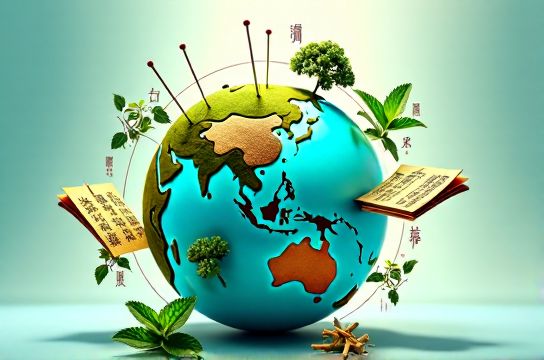
In 2019, the WHO officially included traditional medicine in its influential International Classification of Diseases (ICD-11). That’s a big deal. Why? Because it means TCM diagnoses can now be tracked, studied, and even reimbursed in national health systems. Over 80% of low- and middle-income countries already report using traditional medicine — and now they have a standardized way to integrate it.
Take China, for example. The TCM industry was valued at over $130 billion in 2022, with exports growing by 12% year-on-year. The government has invested heavily in TCM hospitals, research centers, and global outreach programs. But it’s not just China — countries like Japan, South Korea, and Germany are also incorporating acupuncture and herbal therapies into mainstream care.
Why Is WHO Backing Traditional Medicine?
The answer is access and affordability. In regions where Western medicine is scarce or too expensive, traditional practices fill critical gaps. According to WHO:
- Over 60% of people in Africa rely on herbal medicine for primary healthcare.
- More than 400 million people in China use TCM annually.
- At least 170 countries have practitioners offering acupuncture.
But here's the catch: standardization. One of WHO’s biggest goals is to ensure safety, quality, and efficacy. That’s why they launched the WHO Traditional Medicine Strategy 2023–2030, focusing on regulation, research, and integration with conventional systems.
Global TCM Market & Integration Stats (2023)
| Country | TCM Usage Rate | Regulation Status | Insurance Coverage |
|---|---|---|---|
| China | ~70% | Fully regulated | Partial public coverage |
| Germany | ~50% | Herbs regulated as drugs | Private only |
| USA | ~38% | DSHEA-regulated supplements | Limited private plans |
| South Africa | ~65% | Under development | None |
As you can see, adoption varies widely — but interest is universal. The key challenge? Bridging trust between scientific communities and traditional healers. While some TCM practices like acupuncture have strong clinical backing, others lack rigorous trials.
Still, the momentum is undeniable. With WHO support, better data, and rising consumer demand, traditional medicine isn’t just surviving — it’s evolving. Whether you're a patient, practitioner, or policymaker, now’s the time to understand how these ancient systems are shaping modern health.