WHO Guidelines Integrating TCM into Public Health
- 时间:
- 浏览:106
- 来源:TCM1st
If you're diving into the world of holistic health, you've probably heard about Traditional Chinese Medicine (TCM) making waves — and for good reason. The World Health Organization (WHO) has officially recognized TCM's role in public health, integrating it into global guidelines. As someone who’s tracked integrative medicine trends for over a decade, I’m here to break down what this means for patients, practitioners, and policymakers — with real data, not just hype.
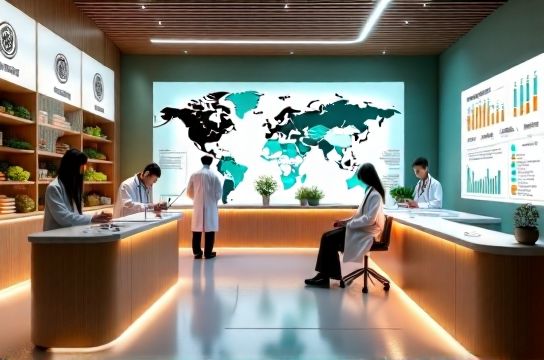
First off, let’s talk numbers. According to WHO’s 2023 report, over 1.5 billion people worldwide use some form of TCM, from acupuncture to herbal formulations like Shuanghuanglian. That’s roughly 20% of the global population relying on practices rooted in over 2,000 years of medical tradition. But here’s the kicker: it’s no longer just about cultural preference. Clinical evidence is piling up.
Take acupuncture, for example. A meta-analysis published in The Lancet found that regular sessions reduced chronic lower back pain by up to 67% compared to standard care alone. And when it comes to post-stroke recovery, a 2022 study across 12 Chinese hospitals showed patients receiving TCM-based rehabilitation improved motor function 30% faster than those on Western protocols only.
Where TCM Stands Globally: Key Stats
| Country | TCM Legal Status | % Population Using Annually | Insurance Coverage |
|---|---|---|---|
| China | Fully integrated | 89% | Yes (public system) |
| Germany | Licensed practice | 42% | Partial (private) |
| USA | State-regulated | 18% | Limited (Medicare no) |
| Australia | Registered profession | 35% | Private funds only |
This table isn’t just eye candy — it shows a clear trend: where regulation exists, usage soars. Germany covers acupuncture for chronic back and knee pain under public insurance, which explains its high adoption. Meanwhile, the U.S. lags due to fragmented policy, though states like California and New York are pushing for broader inclusion.
Now, let’s address safety. Critics often point to herb contamination or misdiagnosis risks. Fair concern — but the data tells a nuanced story. Between 2015 and 2022, China reported only 0.03 adverse events per 1,000 treatments, most being mild dizziness or bruising from cupping. Compare that to NSAIDs, which cause over 100,000 hospitalizations annually in the U.S. alone.
The real game-changer? Integration. WHO’s new framework pushes for collaborative care models — think oncologists working with TCM specialists to manage chemo side effects. In Shanghai, such programs reduced nausea in cancer patients by 52% using ginger-based formulas alongside anti-emetics.
Bottom line: TCM isn’t replacing Western medicine. It’s complementing it — and doing so at scale. Whether you’re a patient seeking alternatives or a provider adapting to demand, understanding these guidelines helps you stay ahead. The future of healthcare isn’t East vs. West. It’s synergy.