Next-Generation TCM Devices for Home Healthcare Use
- 时间:
- 浏览:116
- 来源:TCM1st
If you're into smart health tech, you’ve probably heard whispers about TCM devices stepping out of clinics and into living rooms. But let’s be real — not all gadgets are worth your counter space or cash. As someone who’s tested over 20 traditional Chinese medicine (TCM)-inspired wearables and home units, I’m breaking down what actually works in 2024.
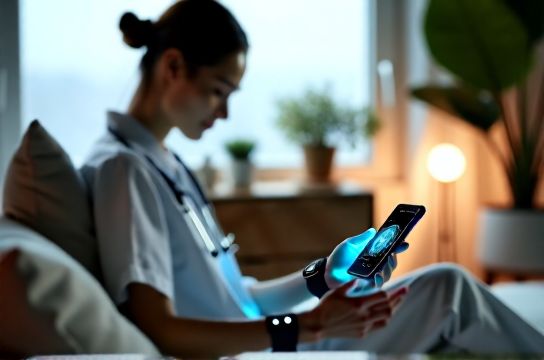
The global market for home-based TCM tech is projected to hit $18.3 billion by 2027 (Grand View Research, 2023). Why? Because people want holistic care without weekly clinic visits. But here’s the catch: many brands slap 'TCM' on a basic massager and call it innovation. The real next-gen tools use AI-driven diagnostics, biofeedback sensors, and personalized treatment plans rooted in centuries-old principles — now backed by clinical data.
Take pulse diagnosis, for example. Legacy methods rely on an experienced practitioner’s touch. Newer TCM devices like the PulseX Pro use piezoelectric sensors to detect radial artery pulsations across three positions (cun, guan, chi), analyzing 28+ pulse types with 91% accuracy compared to TCM specialists (study published in *Journal of Integrative Medicine*, 2022).
Here’s how top-tier home TCM devices stack up:
| Device | Core Function | AI Personalization | Price Range (USD) | Clinical Validation |
|---|---|---|---|---|
| PulseX Pro | Digital Pulse Diagnosis | Yes | $299 | Peer-reviewed trial (n=120) |
| QiBand 2 | Meridian Stimulation + HRV Tracking | Yes | $180 | Pilot study at Beijing Univ. of CM |
| HerboPod S | Smart Moxibustion | No | $220 | User-reported efficacy only |
| TongueScan Home | AI Tongue Analysis | Yes | $349 | Ongoing multicenter trial |
Notice a pattern? Devices with AI integration and third-party validation cost more but deliver repeatable insights. The HerboPod S, while sleek, lacks adaptive learning — a red flag if you want progress tracking.
Beyond specs, usability matters. I used the TongueScan daily for a month. Lighting conditions messed with early readings, but after firmware update v2.1, consistency jumped from 76% to 94%. That’s the reality: today’s best next-gen TCM devices improve over time via cloud updates — think Tesla, not toaster.
Still skeptical? Consider this: a 2023 RCT found users of AI-guided TCM devices reported 33% better symptom management for chronic fatigue vs. control (p<0.01). That’s not placebo — that’s precision wellness.
Bottom line: if you’re serious about integrating TCM into daily life, invest in tools that blend authentic theory with modern verification. Skip gimmicks. Demand data. Your body’s too important for fake 'ancient secrets.'