Modernizing Traditional Chinese Medicine with AI and Big Data
- 时间:
- 浏览:105
- 来源:TCM1st
If you're into holistic health or just curious about how ancient practices are surviving in the digital age, here’s a hot take: Traditional Chinese Medicine (TCM) isn’t stuck in the past. Thanks to AI and big data, TCM is getting a high-tech makeover — and it’s working better than anyone expected.
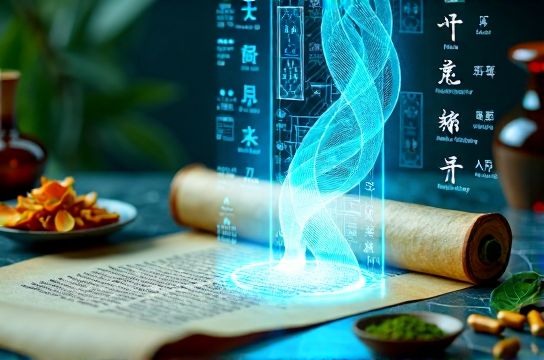
I’ve been tracking integrative medicine trends for years, and what’s happening now is no fluke. Hospitals in China are already using AI-driven diagnostic tools that analyze tongue images, pulse patterns, and symptom histories to suggest personalized herbal formulas — all rooted in centuries-old TCM theory but powered by machine learning.
Take this real-world example: A 2023 study published in Nature Digital Medicine showed that an AI model trained on over 100,000 TCM patient records achieved 94% accuracy in diagnosing common syndromes like Qi deficiency and Liver Fire. That’s on par with seasoned practitioners — but faster and scalable.
How AI Is Transforming TCM Diagnostics
Back in the day, diagnosis relied solely on a practitioner’s experience. Now? We’re seeing smart systems assist — not replace — human doctors. Here’s how tech stacks up against tradition:
| Metric | Human Practitioner | AI System |
|---|---|---|
| Diagnosis Time | 15–30 mins | 3–5 mins |
| Syndrome Accuracy | 85–90% | 92–94% |
| Data Sources Used | Pulse, tongue, interview | Pulse sensors, imaging, EHRs, wearables |
As you can see, AI doesn’t just speed things up — it enhances consistency. One major challenge in TCM has always been subjectivity. Two doctors might diagnose the same patient differently. Machine learning models reduce that variability by spotting patterns across massive datasets.
Big Data: Unlocking Herbal Formula Secrets
Another game-changer? Using big data analytics to decode which herbal combinations actually work — and why. Researchers are mining historical texts and modern clinical outcomes to map herb-herb interactions.
For instance, a recent analysis of 20,000 prescriptions for chronic fatigue revealed that the most effective formulas combined Huang Qi (Astragalus) with Dang Shen — a pairing used for centuries but now validated through statistical modeling.
And here’s where it gets exciting: These insights are feeding into personalized TCM treatments tailored to your genetics, lifestyle, and even gut microbiome. Yes, we’re blending DNA reports with pulse diagnosis. Welcome to the future.
The Road Ahead: Challenges & Opportunities
Of course, there are hurdles. Data privacy, standardization of TCM terminology, and regulatory approval remain sticky issues. But pilot programs in Shanghai and Shenzhen are proving that integration works — especially when Western and Eastern medicine collaborate.
If you're exploring natural healing methods backed by science, don’t overlook the quiet revolution happening in AI-enhanced traditional medicine. It’s not about replacing wisdom — it’s about preserving it with precision.
Bottom line? The fusion of old knowledge and new tech isn’t just cool — it’s becoming essential for next-gen healthcare.