Integrative Medicine Bridging East and West in Healthcare
- 时间:
- 浏览:100
- 来源:TCM1st
If you’ve been scrolling through wellness blogs or chatting with your health-savvy friends lately, you’ve probably heard the buzz around integrative medicine. But what exactly is it? And why are more doctors and patients turning to this hybrid approach that blends ancient Eastern wisdom with modern Western science?
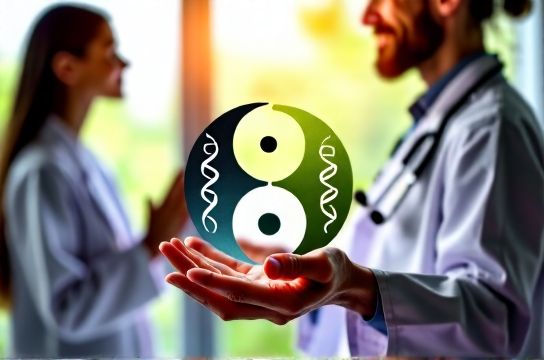
Let’s cut through the noise. Integrative medicine isn’t just about swapping pills for herbs or yoga mats. It’s a science-backed, patient-centered model that treats the whole person—mind, body, and spirit—while using the best of both worlds: Eastern traditions like acupuncture and herbal medicine, and Western diagnostics and treatments.
Why Integrative Medicine Is Gaining Momentum
A 2022 report by the National Center for Complementary and Integrative Health (NCCIH) found that over 38% of adults in the U.S. use some form of complementary health approach. That’s more than 1 in 3 people opting for therapies like meditation, chiropractic care, or herbal supplements—often alongside conventional treatments.
The driving force? Chronic diseases. With conditions like diabetes, anxiety, and heart disease on the rise, patients are seeking long-term solutions—not just quick fixes. Integrative medicine steps in by focusing on prevention, lifestyle changes, and personalized care.
East Meets West: A Practical Comparison
To really get it, let’s break down how Eastern and Western approaches differ—and where they align.
| Aspect | Western Medicine | Eastern Medicine | Integrative Approach |
|---|---|---|---|
| Philosophy | Disease-focused | Balance & energy flow (e.g., Qi) | Whole-person healing |
| Diagnosis | Labs, imaging, biomarkers | Pulse reading, tongue analysis | Combined methods |
| Treatment | Drugs, surgery | Acupuncture, herbs, diet | Personalized plans combining both |
| Evidence Base | Strong clinical trials | Traditional use + emerging research | Blended scientific validation |
As you can see, integrative medicine doesn’t reject either system—it enhances them. For example, cancer patients undergoing chemotherapy might also receive acupuncture to reduce nausea, backed by studies from institutions like MD Anderson Cancer Center.
Real-World Impact: What the Data Says
A 2021 study published in JAMA Internal Medicine showed that patients using integrative care reported:
- 40% lower stress levels
- 30% improvement in sleep quality
- Reduced reliance on pain medication
And hospitals like Cleveland Clinic and Mayo Clinic now offer integrative services, signaling mainstream acceptance.
How to Start Your Integrative Journey
Curious but not sure where to begin? Here’s a quick roadmap:
- Consult a certified practitioner—look for credentials like MD/DO with IFM (Institute for Functional Medicine) training, or licensed acupuncturists.
- Track your habits: Sleep, diet, stress. These are core pillars in integrative medicine.
- Start small: Try mindfulness or an anti-inflammatory diet before diving into supplements.
Remember, this isn’t about replacing your doctor—it’s about bridging healthcare gaps with smarter, holistic strategies.
The future of health isn’t East or West. It’s East and West—working together.