Developing Global Standards for Traditional Chinese Medicine
- 时间:
- 浏览:98
- 来源:TCM1st
If you're diving into the world of holistic health, you've probably heard about Traditional Chinese Medicine (TCM) making waves globally. But here’s the real tea: while TCM has been practiced for over 2,000 years, there's still a wild west vibe when it comes to quality, safety, and consistency—especially outside China. So how do we bring ancient wisdom into modern standardization? Let’s break it down with some hard facts and real-world insights.
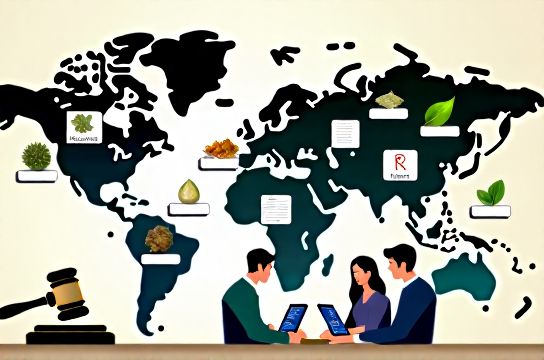
Why Global TCM Standards Are Long Overdue
Right now, around 180 countries practice some form of TCM, according to the World Health Organization (WHO). Yet, only about 30 nations have formal regulations for herbal products used in TCM. That gap leads to serious issues—like contaminated herbs, mislabeled ingredients, or dangerous interactions with prescription drugs.
Take the 2021 study published in Nature Medicine: out of 150 imported TCM samples tested in Europe, nearly 22% contained undeclared pharmaceuticals or heavy metals. Yikes. This isn’t just bad PR—it’s a public health risk.
The WHO’s Role: A Game Changer?
In 2019, the WHO officially included TCM in its influential International Classification of Diseases (ICD-11). While not a regulatory stamp, this move gave TCM unprecedented legitimacy—and lit a fire under global standardization efforts.
Here’s a snapshot of where key regions stand today:
| Region | Regulatory Status | Herbal Products Approved | Last Major Update |
|---|---|---|---|
| China | Fully regulated | Over 6,000 | 2023 |
| European Union | Partial (via HMPC) | ~120 | 2022 |
| United States | Dietary supplements only | 0 FDA-approved | 2023 |
| Australia | Therapeutic Goods Regulated | ~280 | 2021 |
As you can see, there’s no one-size-fits-all approach. But Australia’s model stands out—requiring clinical evidence and good manufacturing practice (GMP) certification for listed TCM products. Could this be the blueprint?
What Needs to Happen Next?
True global standards mean more than just rules on paper. We need:
- Universal ingredient labeling (with DNA barcoding to prevent substitution)
- Clinical trial transparency (so claims match evidence)
- Harmonized safety thresholds for contaminants like lead and arsenic
And let’s talk supply chains. Did you know that over 70% of medicinal herbs used in TCM are now cultivated, not wild-harvested? Standardizing farming practices is just as crucial as regulating labs.
The Bottom Line
Global standards for Traditional Chinese Medicine aren’t about diluting tradition—they’re about protecting patients and preserving credibility. With rising demand (the global TCM market hit $147 billion in 2023), now is the time to act. Whether you're a practitioner, policymaker, or patient, push for transparency, science-backed practices, and cross-border cooperation. The future of TCM depends on it.