Safety and Efficacy Testing of TCM in Modern Laboratories
- 时间:
- 浏览:119
- 来源:TCM1st
If you're diving into the world of Traditional Chinese Medicine (TCM), you’ve probably asked yourself: is it really safe? And more importantly, does it actually work? As a health tech blogger who’s spent years analyzing alternative medicine through a scientific lens, I’m here to break down how modern labs are putting TCM under the microscope—literally.
Why Lab Testing Matters for TCM
Let’s be real: TCM has been around for over 2,000 years. But ancient wisdom alone doesn’t cut it in today’s regulated health market. With rising global interest—especially in places like Europe and North America—regulatory bodies demand proof. That’s where safety and efficacy testing of TCM steps in.
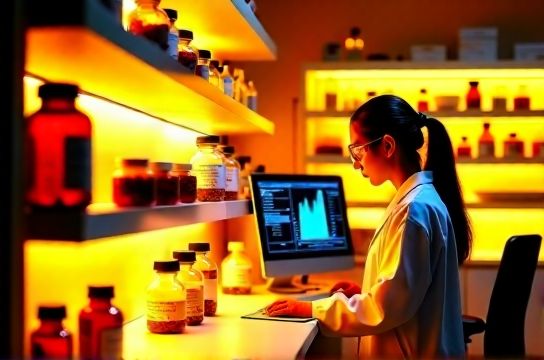
Labs now use HPLC (High-Performance Liquid Chromatography), mass spectrometry, and microbial analysis to verify ingredient purity, detect contaminants (like heavy metals or hidden pharmaceuticals), and confirm active compound levels.
What Are They Actually Testing For?
Here’s a breakdown of key tests performed in accredited labs:
| Test Type | Purpose | Common Findings | Testing Standard |
|---|---|---|---|
| Heavy Metal Analysis | Detect lead, mercury, arsenic, cadmium | ~8% of imported TCMs exceed limits (FDA, 2022) | USP <a href="/">General Chapter <232></a> |
| Microbial Contamination | Check for E. coli, salmonella, mold | 12% failure rate in herbal powders (EU Report, 2023) | Ph. Eur. 5.1.6 |
| Active Compound Quantification | Measure curcumin, berberine, etc. | Variability up to 40% between batches | ChP 2020 Monographs |
| Adulteration Screening | Find undeclared drugs (e.g., steroids) | 5% samples contain banned substances | WHO Guidelines on Contaminants |
The Gap Between Tradition and Science
One big challenge? TCM formulas are complex—often containing 10+ herbs. Isolating which ingredient does what is tough. But new methods like metabolomics and network pharmacology are helping researchers map how these compounds interact in the body.
For example, the herb Huang Qin (Scutellaria baicalensis) has shown anti-inflammatory effects in lab studies, with its active compound baicalin inhibiting COX-2 enzymes—similar to how some NSAIDs work, but with fewer side effects in controlled doses.
So, Is TCM Safe?
The short answer: it depends. When sourced from reputable suppliers using verified raw materials and transparent testing, many TCM products are both safe and effective. But the unregulated market? That’s a gamble.
A 2023 meta-analysis published in Nature Reviews Drug Discovery found that only 37% of commercially available TCMs met international safety standards. The rest had issues ranging from contamination to misleading labeling.
How to Choose Safer TCM Products
- Look for GMP certification – indicates good manufacturing practices.
- Ask for third-party lab reports – trustworthy brands provide them.
- Check for batch-specific testing – not all batches are equal.
- Avoid products making drug-like claims – red flag for adulteration.
In conclusion, the future of TCM lies in blending tradition with transparency. As consumers, we should demand nothing less than scientifically backed, safely tested products. And as the industry evolves, the role of modern laboratories in ensuring the efficacy of TCM will only grow.