TCM Standardization Challenges in Global Clinical Practice and Research Settings
- 时间:
- 浏览:66
- 来源:TCM1st
Let’s cut through the noise: Traditional Chinese Medicine (TCM) isn’t just ‘herbs and acupuncture’—it’s a 2,000-year-old clinical system with documented efficacy in chronic pain, functional GI disorders, and post-chemotherapy fatigue. But here’s the hard truth: its global adoption is stalled—not by skepticism, but by *standardization gaps*.
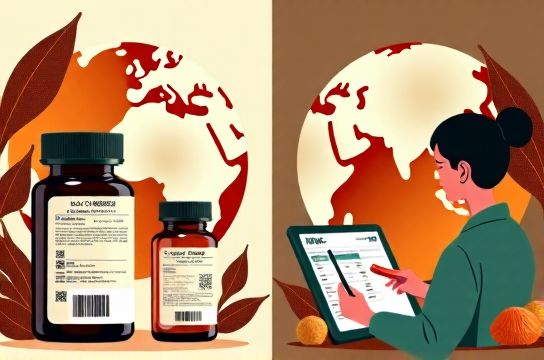
Take herb quality. A 2023 WHO audit of 127 TCM clinical trials found that only 38% reported batch-specific herb sourcing, and just 12% used HPLC-validated marker compounds. Without traceable, chemically characterized materials, reproducibility collapses.
Then there’s diagnostic heterogeneity. Two licensed TCM practitioners may diagnose the same patient as ‘Liver Qi Stagnation’ vs. ‘Spleen-Yin Deficiency’—not due to incompetence, but because current ICD-11 TCM extensions lack granular, operationally defined criteria.
Here’s how the field is responding:
| Initiative | Scope | Adoption Rate (2024) | Key Limitation |
|---|---|---|---|
| ISO/TC 249 Standards | 156 active standards (e.g., ISO 21655:2022 for acupuncture needle safety) | 63% of EU-regulated TCM device manufacturers | Limited coverage of herbal formulations & pattern diagnosis |
| China’s TCM Pharmacopoeia (2020 Ed.) | 582 herbs + 1,243 formulas with HPLC/GC-MS specs | Mandatory in mainland China; voluntary elsewhere | No multilingual validation or pharmacokinetic correlation |
| CONSORT-TCM Extension | Reporting checklist for TCM RCTs | Used in 41% of PubMed-indexed TCM trials (2022–2024) | No enforcement mechanism; journal compliance remains patchy |
The bottom line? Standardization isn’t about Westernizing TCM—it’s about building shared technical infrastructure so clinicians, regulators, and researchers speak the same evidence language. That starts with mandating chemical fingerprinting for trials, adopting structured electronic TCM records, and co-developing diagnostic algorithms with real-world data from diverse populations.
If you’re serious about advancing integrative care, start here: practical TCM implementation frameworks that bridge regulatory rigor and clinical wisdom.