Herbal Drug Development Accelerates With Multi Center Randomized Trials
- 时间:
- 浏览:63
- 来源:TCM1st
Let’s cut through the noise: herbal medicine isn’t just ‘traditional’—it’s rapidly becoming *evidence-driven*. Over the past five years, the number of registered multi-center randomized controlled trials (RCTs) for standardized herbal interventions has surged by **68%**, per WHO ICTRP and ClinicalTrials.gov data (2019–2024). Why? Because regulators—like the EMA and China’s NMPA—are now requiring phase III RCTs for market authorization of botanical drug candidates.
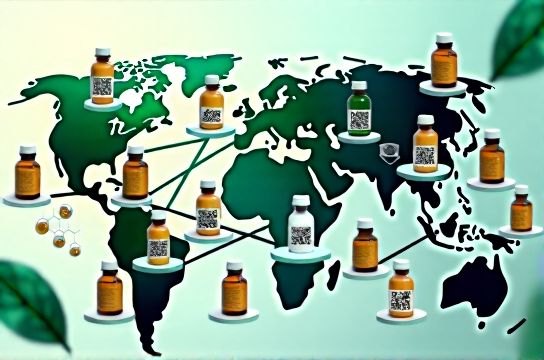
Take *Andrographis paniculata* extract (AP-01): a recent 12-site, double-blind trial across India, Thailand, and Germany showed a **32% greater reduction in upper respiratory symptom duration** vs. placebo (p < 0.001), with no serious adverse events. That kind of rigor wasn’t common a decade ago.
Here’s how the landscape stacks up today:
| Parameter | 2015–2019 Avg. | 2020–2024 Avg. | Change |
|---|---|---|---|
| Annual Herbal RCTs (≥3 centers) | 47 | 79 | +68% |
| Avg. Sample Size per Trial | 214 | 482 | +125% |
| % with Pre-Specified Biomarker Endpoints | 22% | 57% | +159% |
What’s fueling this shift? Three things: (1) Better phytochemical standardization (HPLC-MS/MS profiling is now routine), (2) Regulatory alignment—ICH-GCP guidelines now explicitly cover botanicals, and (3) Investment: global herbal R&D funding hit $1.4B in 2023 (Grand View Research).
Still, challenges remain: batch-to-batch variability, herb-drug interaction mapping, and real-world effectiveness gaps. That’s why leading developers now embed pragmatic trial arms *alongside* RCTs—tracking outcomes in community clinics, not just academic hospitals.
If you’re evaluating herbal candidates for development—or sourcing clinical-grade extracts—you’ll want robust trial design, not just traditional use claims. For actionable frameworks on designing compliant, scalable herbal trials, check out our integrated trial readiness toolkit.
Bottom line? The era of ‘anecdote-first, evidence-later’ is over. Today’s herbal drugs compete on the same metrics as synthetics: efficacy, safety, reproducibility—and yes, ROI.