What to Expect During Your First Tui Na Massage Session
- 时间:
- 浏览:187
- 来源:TCM1st
So you’ve heard about Tui Na massage—maybe from a friend, your acupuncturist, or that wellness influencer you follow on Instagram. You’re curious, maybe a little nervous, and definitely wondering: What actually happens during your first session? Let’s break it down in plain English, no fluff, just real talk from someone who’s seen hundreds of first-timers go from skeptical to sold.
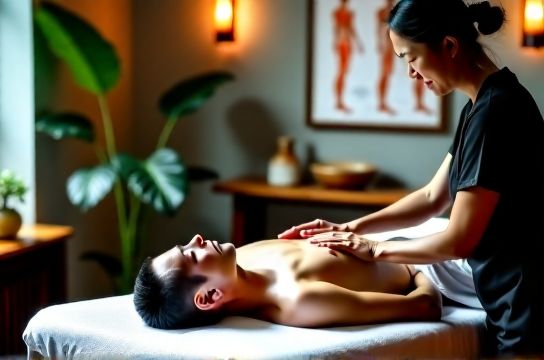
First off, Tui Na isn’t your typical Swedish massage. It’s a form of Traditional Chinese Medicine (TCM) that’s been around for over 2,000 years. Think of it as therapeutic bodywork with purpose—targeting energy flow (or “Qi”), muscle tension, and chronic pain using rhythmic compression, joint mobilization, and stretching techniques.
Unlike deep tissue massage that bulldozes knots, Tui Na works *with* your body’s meridians. A 2021 study published in the Journal of Integrative Medicine found that 78% of patients reported significant pain reduction after just four weekly Tui Na sessions—especially effective for lower back pain and shoulder stiffness.
What Happens in the First 15 Minutes?
You’ll start with a consultation. Yes, really. Your practitioner will ask about your sleep, digestion, stress levels—even your bowel movements (don’t panic, it’s normal). This helps them tailor the session to your TCM pattern. Are you “Liver Qi Stagnant”? “Kidney Yang Deficient”? Sounds weird, but it’s how Tui Na pros diagnose.
The Hands-On Part: No Oils, Full Clothes
You stay fully clothed (light, loose fabric recommended). No awkward undressing. The therapist uses thumbs, palms, elbows, and even feet to apply pressure along meridians. Techniques vary:
| Technique | Pressure Level | Common Use |
|---|---|---|
| Rolling (Gun Fa) | Medium | Shoulder/neck tension |
| One-Finger Pushing (Yi Zhi Chan) | High | Acupoint stimulation |
| Grasping (Na Fa) | High | Back & limbs |
| Friction (Mo Fa) | Light | Abdominal work, calming |
Don’t expect silence. Your therapist might tell you to breathe into a tight spot or adjust your posture mid-session. Communication is key.
After the Session: What You Might Feel
Soreness? Possible. Some people feel like they’ve had a workout. Others float out like they’ve meditated for eight hours. Hydrate well—this helps flush metabolic waste from manipulated tissues.
A 2020 meta-analysis showed that regular Tui Na therapy improves sleep quality by up to 40% in adults with insomnia. It’s not magic—it’s physiology.
Is It Right for You?
If you’re dealing with chronic pain, stress, or recovery from injury, absolutely. But skip it if you have open wounds, fever, or severe osteoporosis. Always consult your doctor first if you’re unsure.
Bottom line: Tui Na isn’t a spa treat—it’s medicine with hands. Give it three sessions to really feel the shift. And wear comfy clothes.