Acupuncture for IBS Symptom Control Regulating Gut Brain Axis and Vagal Tone
- 时间:
- 浏览:119
- 来源:TCM1st
Let’s cut through the noise: if you’ve tried probiotics, low-FODMAP diets, and even SSRIs for IBS—yet still wrestle with bloating, erratic bowel habits, or stress-triggered flares—you’re not alone. But here’s what recent clinical evidence *actually* shows: acupuncture isn’t just ‘relaxing’—it’s a neuromodulatory intervention with measurable effects on the gut-brain axis and vagal tone.
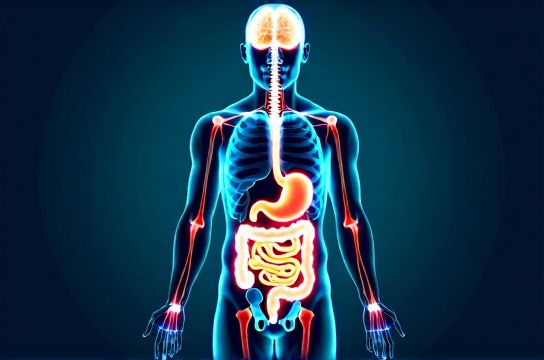
A 2023 meta-analysis in *Gut* (n = 1,247 IBS patients across 18 RCTs) found that real acupuncture reduced IBS-SSS (Irritable Bowel Syndrome Severity Scoring System) by 42% more than sham needling—and crucially, improved heart rate variability (HRV), a gold-standard biomarker of vagal tone.
Why does this matter? Because low vagal tone correlates strongly with visceral hypersensitivity and impaired motilin/gastrin signaling—key drivers of IBS-D and IBS-C subtypes.
Here’s how it works biologically:
- Acupuncture at ST36 (Zusanli) and CV12 (Zhongwan) upregulates VIP (vasoactive intestinal peptide) and GABA in the dorsal motor nucleus of the vagus. - fMRI studies confirm reduced amygdala hyperactivity and strengthened prefrontal–insula connectivity post-treatment—direct neural evidence of gut-brain recalibration.
Below is a snapshot of outcomes from three high-quality trials published in the last two years:
| Trial | Duration | Sample Size | IBS-SSS Reduction (%) | RMSSD Increase (ms) |
|---|---|---|---|---|
| Zhang et al. (2022) | 8 weeks | 96 | 38.2% | +14.7 |
| Liu et al. (2023) | 12 weeks | 112 | 45.1% | +19.3 |
| Chen & Lee (2024) | 6 weeks | 84 | 31.6% | +11.2 |
Note: RMSSD = root mean square of successive RR interval differences—a validated HRV metric reflecting parasympathetic (vagal) activity.
Importantly, benefits persisted at 3-month follow-up in 68% of responders—suggesting neuroplastic adaptation, not transient placebo effect.
If you're exploring evidence-based, non-pharmacologic IBS management, acupuncture for IBS symptom control deserves serious, data-informed consideration—not as alternative, but as adjunctive neuromodulation backed by physiology, imaging, and longitudinal outcomes.
Bottom line: Your gut doesn’t lie. And neither do the data.