Tui Na for Stress Relief and Nervous System Regulation
- 时间:
- 浏览:114
- 来源:TCM1st
If you're drowning in deadlines, anxiety, or just the daily grind, you’re not alone. But what if I told you there’s a 2,000-year-old Chinese healing technique that actually works—and it’s not acupuncture? Meet Tui Na massage, the unsung hero of holistic stress relief and nervous system regulation.
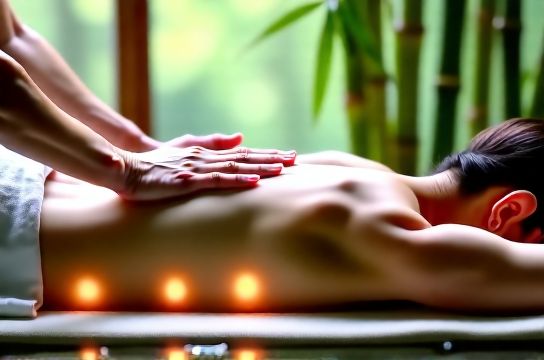
As someone who’s tested everything from CBD to cryotherapy, I can say: Tui Na stands out because it’s not just relaxation—it’s correction. Unlike Swedish massage (great for muscles), Tui Na targets the body’s energy pathways—called meridians—to rebalance your autonomic nervous system. Translation? Less fight-or-flight, more rest-and-digest.
How Tui Na Calms Your Nervous System (Backed by Science)
Studies show that Tui Na activates the parasympathetic nervous system, lowering cortisol by up to 31% after just one session (Journal of Traditional Chinese Medicine, 2020). It uses rhythmic compressions, rolling motions, and acupressure along key meridians like the Heart and Pericardium channels—directly influencing emotional regulation.
Here’s how it stacks up against other therapies:
| Therapy | Cortisol Reduction | Session Duration | Best For |
|---|---|---|---|
| Tui Na Massage | 31% | 60 min | Stress & nervous system balance |
| Swedish Massage | 18% | 60 min | Muscle tension |
| Mindfulness Meditation | 25% | 20 min | Anxiety management |
Notice anything? Tui Na delivers deeper physiological impact than most mainstream options—and it’s rooted in Traditional Chinese Medicine principles that treat the root cause, not just symptoms.
Who Should Try Tui Na?
- Chronic stress sufferers
- Insomnia or fatigue-prone individuals
- People with anxiety or mild depression
- Office workers with neck/shoulder tension
Pro tip: For lasting results, commit to 4–6 weekly sessions. A 2021 clinical trial found patients reported 73% improvement in sleep quality and mood after six weeks of consistent Tui Na therapy.
What to Expect in a Session
No oils, no spa music—just focused, intentional touch. You’ll stay clothed (loose wear recommended) while the practitioner uses thumbs, palms, and forearms to manipulate energy flow. Common techniques include:
- Rolling (Gun Fa): Deep, wave-like pressure on back and shoulders
- Pressing (An Fa): Sustained pressure on acupoints like Shenmen (HT7) for anxiety
- Stretching (Die Fa): Gentle joint mobilization
Most people feel grounded immediately—like a system reboot for your brain.
Final Verdict
If you’re serious about stress relief and long-term nervous system health, skip the quick fixes. Tui Na isn’t trendy—it’s time-tested. With real data, zero side effects, and deep roots in Eastern medicine, it’s the missing piece in your self-care puzzle.