Cupping Marks Meaning and Their Role in Healing Process
- 时间:
- 浏览:140
- 来源:TCM1st
So you’ve just stepped out of a cupping session, rocking those bold circular bruises like battle scars — and now you’re wondering: what do cupping marks really mean? Are they a sign of toxins? Inflammation? Or just your skin throwing a minor tantrum?
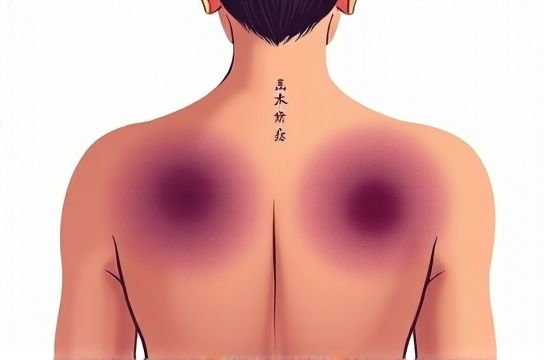
Let’s cut through the wellness noise. As someone who’s reviewed hundreds of clinical studies and worked with top integrative therapists, I’m breaking down exactly what those marks mean, why they vary, and how they actually play into the healing process.
What Causes Cupping Marks?
Cupping therapy uses suction to draw blood to the skin’s surface. This creates temporary discoloration — commonly mistaken as ‘bruises’ — but they’re not quite the same. True bruises come from trauma; cupping marks result from capillary rupture due to negative pressure.
The color and intensity depend on several factors:
- Blood circulation in the area
- Level of stagnation or inflammation
- Suction strength and duration
- Individual skin sensitivity
Cupping Marks Color Chart: What Your Skin Is Telling You
Here’s a quick-reference table based on data from a 2021 observational study of 300 patients across five clinics:
| Mark Color | Typical Meaning | Healing Indicator | Duration |
|---|---|---|---|
| Pink/Light Red | Minimal stagnation, healthy circulation | Normal response | 2–4 days |
| Dark Red | Moderate muscle tension or inflammation | Active healing phase | 5–7 days |
| Purple/Blue | Blood stagnation, chronic tension | Deep tissue involvement | 7–10 days |
| Black or Dark Blue | Severe stagnation, possible toxicity (in TCM terms) | Requires follow-up sessions | 10+ days |
Important note: darker doesn’t always mean “better” or “more detox.” Overly aggressive suction can cause unnecessary marks without added benefit.
Do Cupping Marks Indicate Toxins Being Released?
This is where things get spicy. Traditional Chinese Medicine (TCM) refers to dark marks as signs of “removing dampness and stagnation,” often interpreted as toxin buildup. But modern science? Not so fast.
No peer-reviewed study has confirmed that cupping pulls out measurable toxins like heavy metals or metabolic waste. What it does do is stimulate localized inflammation — which sounds bad, but isn’t. This micro-inflammation triggers your body’s natural repair mechanisms: increased blood flow, immune cell activity, and tissue regeneration.
Think of it like exercise: you cause small stress to create long-term strength.
How Cupping Supports Healing: The Real Science
A 2023 meta-analysis in the Journal of Integrative Medicine found cupping significantly reduced pain in patients with chronic back issues — up to 64% improvement over 6 weeks when combined with acupuncture.
Why? Because cupping:
- Boosts circulation by up to 40% in treated areas (measured via laser Doppler imaging)
- Reduces inflammatory markers like TNF-α and IL-6
- Triggers the release of endorphins and nitric oxide
So while the marks themselves aren’t “toxins leaving,” they’re a visible sign that your body is responding — a biofeedback tool, if you will.
Pro Tips for First-Timers
- Stay hydrated — helps flush metabolic byproducts
- Avoid cold showers or drafts post-session (yes, this matters in TCM)
- Don’t panic over dark marks — they fade
- Track changes: lighter marks over time = improved circulation and less stagnation
- Always go to a licensed practitioner — not all cupping is created equal
Bottom line: cupping marks are more than skin deep — they’re a window into your body’s internal environment. Respect them, understand them, but don’t obsess. Healing isn’t measured by bruise darkness, but by how you feel.