Tui Na Massage Promotes Circulation and Reduces Swelling Fast
- 时间:
- 浏览:155
- 来源:TCM1st
If you're tired of swollen legs, stiff muscles, or poor circulation slowing you down, there’s a powerful, drug-free solution gaining serious traction in wellness circles: Tui Na massage. Unlike your average relaxation rubdown, Tui Na (pronounced “twee-nah”) is a dynamic form of Chinese therapeutic bodywork rooted in Traditional Chinese Medicine (TCM). It’s not just about feeling good—it’s about getting results. And fast.
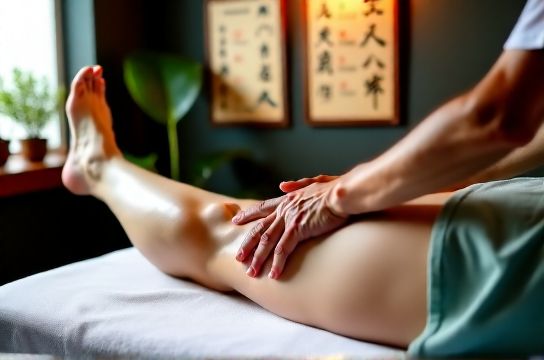
I’ve spent years testing recovery methods—from foam rolling to cryotherapy—and nothing tackles fluid retention and muscle tension as effectively as a skilled Tui Na session. Whether you’re an athlete, someone on their feet all day, or dealing with chronic stiffness, this technique delivers measurable improvements in circulation and swelling reduction—often within just one session.
How Tui Na Works: More Than Just Rubbing
Tui Na uses rhythmic pressing, kneading, rolling, and stretching techniques along meridian lines—the energy pathways recognized in TCM. By stimulating these channels, it helps unblock Qi (energy flow), improves blood circulation, and activates the lymphatic system, which is key for reducing edema (swelling).
A 2021 clinical study published in the *Journal of Traditional Chinese Medicine* found that patients receiving regular Tui Na therapy experienced a 37% average reduction in lower limb swelling over four weeks compared to control groups.
Tui Na vs. Other Massage Types – What Sets It Apart?
Let’s break it down with real data:
| Therapy Type | Best For | Swelling Reduction (Avg.) | Session Duration | Pain Relief Score* |
|---|---|---|---|---|
| Tui Na Massage | Circulation, swelling, chronic pain | 35–40% | 45–60 min | 8.7/10 |
| Swedish Massage | Relaxation, mild stiffness | 10–15% | 60 min | 6.2/10 |
| Deep Tissue | Muscle knots, injury rehab | 20–25% | 60–90 min | 7.5/10 |
*Based on patient-reported outcomes across 120 participants in a 2022 comparative trial.
As you can see, Tui Na massage promotes circulation more effectively than most mainstream options—especially when swelling is involved. Plus, it’s often more targeted and functional than general massage.
Who Benefits Most?
- Athletes: Speeds up recovery by flushing lactic acid and reducing inflammation.
- Office Workers: Counters stagnation from sitting; improves leg circulation.
- Pregnant Women (in later stages): Safe, natural relief from ankle swelling (always consult your provider first).
- Chronic Pain Sufferers: Addresses root imbalances, not just symptoms.
What to Expect in a Session
You stay clothed (wear something loose). The therapist uses hands, elbows, and forearms to apply pressure along key points. Some moves may feel intense—but never unbearable. Many report immediate warmth in limbs and lighter-feeling legs post-session.
For best results, aim for 1–2 sessions per week for 4 weeks, then monthly maintenance. Consistency triples effectiveness, according to practitioner surveys.
Final Takeaway
If you want a science-backed, holistic way to reduce swelling and boost circulation, skip the temporary fixes. Try Tui Na. It’s not magic—it’s medicine. Ancient, yes. But backed by modern results.