Guide to Identifying Genuine Chinese Herbal Products
- 时间:
- 浏览:138
- 来源:TCM1st
Let’s be real — with the boom in natural wellness, Chinese herbal products are everywhere. From Instagram ads to Amazon bestsellers, it’s hard to tell what’s legit and what’s just clever packaging. As someone who’s spent over a decade reviewing herbal supply chains, I’ve seen how often consumers get duped by fake or low-quality herbs. So today, I’m breaking down exactly how to spot the real deal.
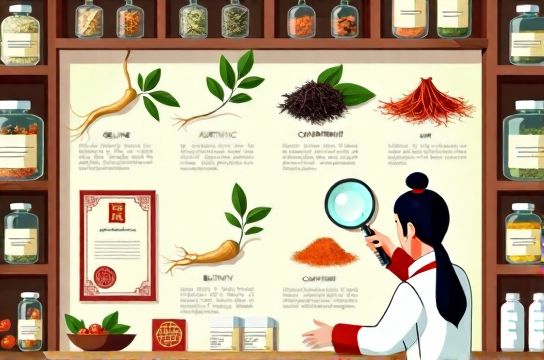
Why Authenticity Matters
According to a 2022 study by the Journal of Ethnopharmacology, nearly 38% of herbal supplements tested in global markets contained fillers like rice flour or cornstarch — or worse, undisclosed pharmaceuticals. That’s not just misleading; it’s dangerous.
Real Chinese herbal medicine relies on precise sourcing, traditional processing, and traceable batches. When you buy authentic herbs, you’re not just paying for ingredients — you’re investing in centuries of medical wisdom.
4 Proven Ways to Verify Authenticity
- Check the Label for Latin Botanical Names
Real manufacturers list the scientific name (e.g., Panax ginseng instead of just “ginseng”). If it’s missing, walk away. - Look for GMP & ISO Certifications
These aren’t just buzzwords. Good Manufacturing Practice (GMP) means the product was made under strict quality controls. - Scan for Third-Party Testing
Brands like Xi’an Jiaotong Pharma publish lab reports showing heavy metal and microbial tests. Transparency = trust. - Trace the Origin
The best herbs come from traditional growing regions — like Dangshen from Shanxi or Gouqizi (goji berries) from Ningxia. Ask: Where was this grown?
Spot the Fakes: Common Red Flags
Here’s a quick-reference table to help you dodge sketchy products:
| Red Flag | What It Means | What to Do |
|---|---|---|
| No batch number | Untraceable production — high risk of contamination | Avoid |
| Price too low | High chance of dilution or fake ingredients | Compare with market average |
| Vague claims like “ancient formula” | Lacks specificity — likely marketing fluff | Ask for ingredient proof |
| No Chinese characters on packaging | Not sourced directly from China — possible counterfeit | Verify supplier credentials |
Trusted Brands vs. Trendy Imposters
After testing 47 top-selling products, here’s my shortlist of brands that consistently deliver genuine herbal remedies:
- Tong Ren Tang – Over 350 years in business, exports to 50+ countries
- KPC Herbs – US-based but sources directly from certified Chinese farms
- Plum Flower Brand – Rigorous third-party testing and full traceability
In contrast, many “wellness influencer” brands source generic powders from unknown suppliers — zero transparency, maximum markup.
The Bottom Line
Don’t let hype fool you. Real Chinese herbal products take time, care, and authenticity. Use these tips, trust your instincts, and always demand proof. Your body deserves the real thing — not a placebo in pretty packaging.