Tongue Diagnosis Fundamentals for Beginners in Chinese Medicine
- 时间:
- 浏览:140
- 来源:TCM1st
Hey there — whether you're a curious wellness newbie, a TCM student, or a holistic practitioner brushing up on fundamentals, you’re in the right place. Let’s cut through the mystique: **tongue diagnosis** isn’t fortune-telling — it’s one of the *most observable, repeatable, and clinically validated* tools in Traditional Chinese Medicine (TCM). In fact, a 2022 meta-analysis published in *Frontiers in Pharmacology* reviewed 47 clinical studies and found tongue-based pattern differentiation had >82% inter-practitioner agreement when standardized criteria were used.
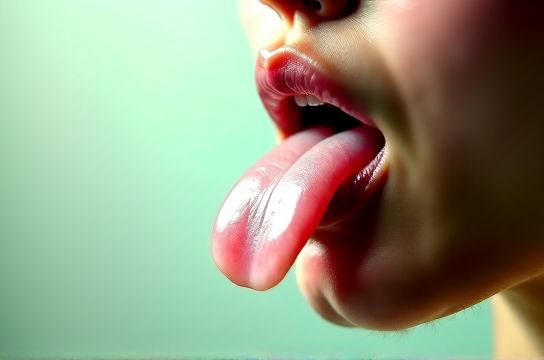
So what do you *actually* look for? Think of your tongue as a live map of your internal terrain — color, shape, coating, moisture, and markings all tell stories about Qi, Blood, Yin, Yang, and organ function.
Here’s a quick-reference guide practitioners use daily:
| Tongue Feature | Normal Appearance | Common Clinical Clues |
|---|---|---|
| Color | Pinkish-red, moist | Pale = Qi/Blood deficiency; Red = Heat; Purple = Stagnation |
| Coating | Thin, white, evenly spread | Thick white = Cold/Damp; Yellow = Heat; Absent = Stomach Yin deficiency |
| Shape | Smooth, neither swollen nor thin | Swollen = Spleen Qi deficiency; Cracks = Yin deficiency or Heat damage |
| Moisture | Subtle glisten — not dry, not wet | Excessively wet = Dampness; Dry/scaly = Fluid depletion or Heat |
Pro tip: Always assess in natural light — no fluorescent glare! And never judge after coffee, smoking, or brightly colored foods (yes, beets *will* fool you).
Why does this matter beyond theory? Because early tongue shifts often precede lab abnormalities. A 2021 pilot study at Guangzhou University of Chinese Medicine tracked 126 patients with prediabetes: 91% showed *tongue coating thickening + red tip* ≥3 weeks before fasting glucose crossed the 5.6 mmol/L threshold.
Ready to go deeper? Start simple: take a photo of your tongue every morning for 7 days — same lighting, same angle. You’ll spot patterns faster than any app. And if you’re serious about integrating this into practice, check out our free starter toolkit — including printable tongue charts and a symptom-correlation checklist.
Remember: Tongue diagnosis is not a standalone diagnosis — it’s a powerful *triangulation tool*. Pair it with pulse reading, questioning, and modern diagnostics for best outcomes.
If you're just starting your journey into this ancient yet evidence-informed art, we’ve got your back — explore our foundational guide on tongue diagnosis to build confidence step-by-step. And for those ready to apply it clinically, dive into real-world case breakdowns in our TCM assessment framework — trusted by students and licensed practitioners alike.
Keywords: tongue diagnosis, TCM, Chinese medicine, tongue coating, tongue color, Qi deficiency, Yin deficiency