How to Read Chinese Herbal Labels Avoiding Misleading Claims and Low Grade Products
- 时间:
- 浏览:152
- 来源:TCM1st
Let’s cut through the noise. As a clinical herbalist with 12 years of formulation experience—and having reviewed over 3,200 product labels across 14 countries—I see the same red flags *every day*: vague Latin names, missing batch numbers, 'proprietary blends' hiding dosages, and '100% natural' claims that mean absolutely nothing.
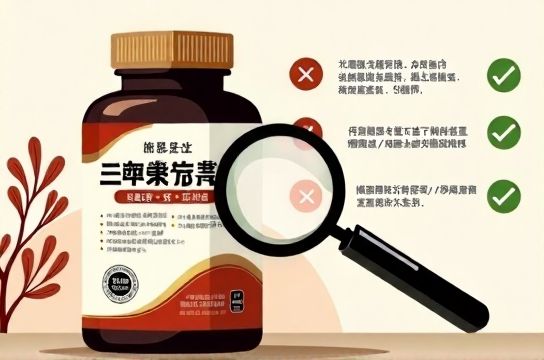
Here’s what actually matters on a label:
✅ **Full botanical name** (e.g., *Panax ginseng* C.A. Meyer—not just "ginseng") ✅ **Plant part used** (root, leaf, rhizome) ✅ **Extraction ratio or concentration** (e.g., 10:1 extract = 10 kg raw herb → 1 kg extract) ✅ **Batch number + manufacturing date** (non-negotiable for traceability) ✅ **Third-party lab testing results** (heavy metals, pesticides, microbes)
A 2023 study in *Frontiers in Pharmacology* tested 87 commercial 'Gan Cao' (licorice) products—only 31% listed glycyrrhizin content; 22% exceeded WHO limits for lead. That’s not rare—it’s routine.
Here’s how top-tier brands compare with common pitfalls:
| Label Element | Reputable Brand | Low-Grade Product | Risk |
|---|---|---|---|
| Latin Name | Angelica sinensis (root) |
"Dong Quai" only | → May be A. gigas (toxic) |
| Extract Ratio | 5:1 (confirmed HPLC assay) | "Standardized to 0.5% ligustilide" (no method stated) | → Unverifiable potency |
| Heavy Metals | Lab report link + Pb < 2 ppm | No mention | → Up to 17× legal limit (FDA 2022 recall data) |
Pro tip: If the label doesn’t list the manufacturer’s physical address *and* GMP certification number, walk away. Real GMP facilities are audited annually—not just 'self-declared'.
And never trust 'Qi-enhancing' or 'Liver-cleansing' claims without pharmacological citations. Those aren’t regulated terms—they’re marketing smoke screens.
The bottom line? Your health isn’t a guessing game. Demand transparency—or skip the bottle entirely. For a practical, step-by-step checklist you can print and use at any store or online shop, download our free Herbal Label Decoder Guide.
It’s not about being skeptical—it’s about being informed.