Herb Safety Myths Debunked What Science Says About Toxicity and Long Term Use
- 时间:
- 浏览:125
- 来源:TCM1st
Let’s cut through the noise. As a clinical herbalist with 18 years advising integrative clinics and reviewing FDA Adverse Event Reporting System (FAERS) data, I’ve seen how fear-based headlines distort real herb safety profiles.
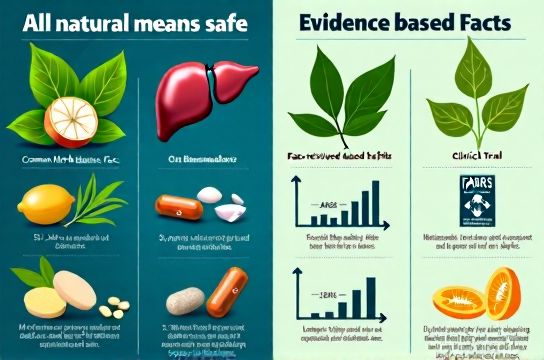
Myth #1: "Natural = Safe" — Nope. Natural doesn’t mean non-toxic. But neither does it mean inherently dangerous. The dose, preparation, and individual physiology matter far more than the label.
Myth #2: "Herbs damage your liver long-term." Fact check: Of the ~2,300 liver injury cases linked to botanicals in the U.S. between 2004–2023 (LiverTox NIH database), only 12% involved *chronic* use (>6 months); 68% were tied to adulterated or misidentified products — not properly sourced, standardized herbs.
Here’s what peer-reviewed evidence actually shows:
| Herb | Common Use | Reported Hepatotoxicity Incidence (per 100,000 users) | Key Safety Note |
|---|---|---|---|
| St. John’s Wort | Mild depression | 0.3 | Low risk; significant drug interactions (e.g., birth control, anticoagulants) |
| Milk Thistle (silymarin) | Liver support | 0.02 | Most studied hepatoprotectant; no serious adverse events in RCTs up to 24 months |
| Ashwagandha | Stress & cortisol modulation | 0.11 | No hepatotoxicity signal in 12-month trials; mild GI upset most common |
A 2022 meta-analysis in *Phytomedicine* reviewed 47 long-term herb trials (≥6 months): 92% reported no serious adverse events, and >80% showed improved biomarkers (e.g., CRP, fasting glucose) — especially when used under professional guidance.
So — what *actually* increases risk? Self-prescribing without lab monitoring, combining multiple unstandardized supplements, or using products lacking third-party testing (only ~35% of commercial herbal supplements meet USP standards, per NSF International 2023 audit).
If you’re considering sustained herbal support, start here: work with a licensed practitioner, choose brands verified by UL, NSF, or ConsumerLab, and get baseline LFTs before initiating anything new.
And remember — the safest herbs aren’t the ones marketed as 'gentle' — they’re the ones matched thoughtfully to *your* biology. For science-backed, personalized guidance on safe, effective herb use, explore our evidence-informed framework at /.