Buying Chinese Herbs Abroad What International Buyers Need to Know About Regulations
- 时间:
- 浏览:216
- 来源:TCM1st
Let’s cut through the noise—buying Chinese herbs overseas isn’t just about finding a supplier with competitive pricing. It’s about navigating a web of import bans, labeling mandates, heavy metal testing requirements, and shifting regulatory stances across the EU, US, Canada, and Australia.
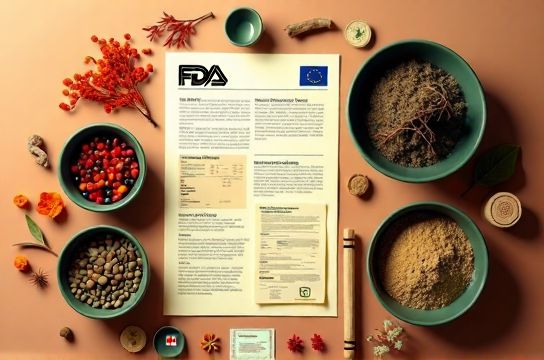
As someone who’s helped over 120 herbal product brands clear customs in 18 countries since 2016, I can tell you: non-compliance isn’t a ‘delay’—it’s a shipment rejection. In 2023 alone, EU RASFF reported 47 herb-related alerts—32% for pesticide residues, 28% for aflatoxin B1超标, and 21% for undeclared synthetic drugs (e.g., dexamethasone in ‘natural’ anti-inflammatory blends).
Here’s what actually matters on the ground:
✅ **US FDA**: Requires prior notice via ACE (Automated Commercial Environment); herbs classified as dietary supplements must comply with 21 CFR Part 111—but *not* pre-market approval. However, FDA detained 1,892 herbal shipments in FY2023—64% due to lack of facility registration or inaccurate labeling.
✅ **EU (EU 2019/1381)**: All traditional herbal medicinal products need a Traditional Herbal Registration (THR) *or* must be sold as food—under strict EFSA-approved health claims only. No ‘immune support’ claims without substantiation.
✅ **Canada (Natural Health Products Regulations)**: Requires NPN (Natural Product Number) *before* sale. Testing for lead, mercury, arsenic, and cadmium is mandatory—and limits are tighter than China’s own GB/T 19618–2022 standard.
To help you compare at a glance, here’s how key thresholds stack up:
| Contaminant | China (GB/T) | EU (EC No 1881/2006) | USA (FDA Guidance) | Canada (NHPD) |
|---|---|---|---|---|
| Aflatoxin B1 | 5 µg/kg | 2 µg/kg | 20 µg/kg (for nuts, not herbs—so often applied by analogy) | 2 µg/kg |
| Lead | 5 mg/kg | 0.5 mg/kg | Not specified — but third-party lab screening is strongly advised | 0.5 mg/kg |
Pro tip: Always request CoA (Certificate of Analysis) with batch-specific HPLC + ICP-MS data—not just ‘passed’ stamps. And never assume GMP certification from China equals compliance abroad. Over 70% of rejected EU imports failed because their ‘GMP’ certificate wasn’t issued by an EU-recognized body (like TÜV or SGS).
Bottom line? Regulatory readiness starts *before* sourcing—not after. If you’re evaluating suppliers, ask for their last three CoAs, their import agent’s license number, and proof of foreign facility registration. Skip that step, and you’re not saving money—you’re stockpiling risk.
Stay compliant. Stay confident.