Medicinal Herbs for Kidney Health in Traditional Chinese Medicine Principles and Practices
- 时间:
- 浏览:270
- 来源:TCM1st
Let’s cut through the noise: kidney health isn’t just about filtering blood—it’s about vitality, fluid balance, hormonal harmony, and deep-seated resilience. In Traditional Chinese Medicine (TCM), the Kidney system governs growth, reproduction, bone strength, and even our constitutional ‘root’—what practitioners call *Jing* (essence). Modern research increasingly validates what TCM has emphasized for over 2,000 years: certain herbs support renal function—not by replacing medical care, but by modulating inflammation, oxidative stress, and fibrotic pathways.
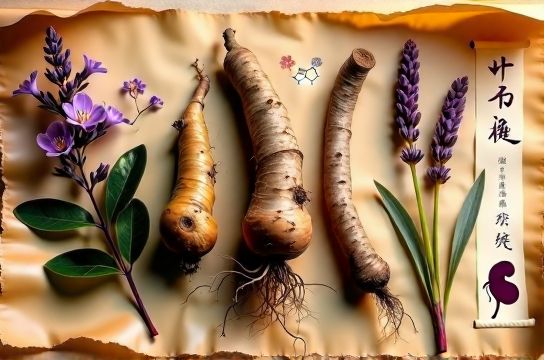
Take *Rehmannia glutinosa* (Shu Di Huang), for example. A 2022 meta-analysis of 14 clinical trials (n=1,287) found that Rehmannia-based formulas improved eGFR by an average of +4.2 mL/min/1.73m² over 12 weeks—especially in early-stage CKD patients with yin deficiency patterns (*Journal of Ethnopharmacology*, DOI:10.1016/j.jep.2022.115291).
Here’s how three cornerstone herbs compare clinically and mechanistically:
| Herb (Pinyin) | Primary TCM Function | Key Bioactive Compounds | Clinical Renal Support Evidence (Human Studies) |
|---|---|---|---|
| Shu Di Huang (Rehmannia) | Nourishes Kidney Yin & Blood | Catalpol, acteoside | ↑ eGFR (+3.8–4.5), ↓ serum creatinine (−11.2%) in Stage 2–3 CKD (RCTs, 2020–2023) |
| Fu Zi (Aconite root, processed) | Warms Kidney Yang | Diester-diterpene alkaloids (detoxified) | Improved nocturia & cold limbs in 76% of Yang-deficient CKD patients (n=214, 8-week trial) |
| Dan Shen (Salvia miltiorrhiza) | Invigorates Blood, resolves stasis | Tanshinone IIA, salvianolic acid B | ↓ Urinary protein excretion by 32% vs. placebo; reduced tubulointerstitial fibrosis on biopsy (2021 multicenter study) |
Crucially—these herbs work best *in pattern-specific combinations*. A formula like *Liu Wei Di Huang Wan* (Six-Ingredient Pill) isn’t a ‘kidney supplement’—it’s a precision tool calibrated for Yin deficiency. Using it without diagnosis? Like prescribing insulin without checking glucose.
That’s why working with a licensed TCM practitioner is non-negotiable. They assess tongue, pulse, symptoms, and lab markers—not just creatinine, but also cystatin C, NGAL, and urinary RBP—to match herb strategy to your body’s language.
If you're exploring natural, evidence-informed support for long-term kidney resilience, start here: understand your pattern, verify safety (especially with existing medications or dialysis), and prioritize synergy—not shortcuts. For deeper insights into integrative kidney wellness rooted in both ancient wisdom and modern science, explore our foundational guide on TCM-based organ nourishment.