Simple Ways to Incorporate Chinese Medicinal Herbs into Daily Life
- 时间:
- 浏览:141
- 来源:TCM1st
Let’s be real—life moves fast. Between work, family, and trying to squeeze in a workout (or nap), who has time to brew complex herbal decoctions? But here’s the truth: Chinese medicinal herbs don’t need to be complicated to be effective. As someone who’s spent over a decade studying holistic wellness and guiding clients through natural health journeys, I’ve seen firsthand how simple shifts can make a big difference.
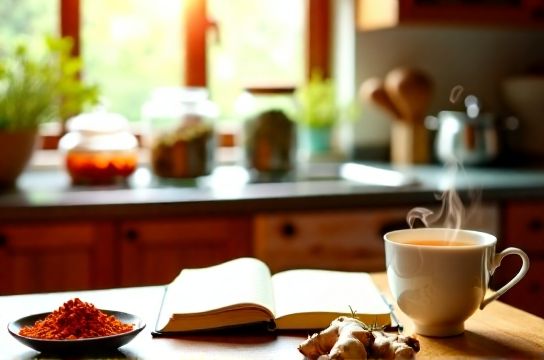
You don’t need a PhD in TCM (Traditional Chinese Medicine) to benefit from these ancient remedies. In fact, some of the most powerful Chinese medicinal herbs are already hiding in your kitchen or local grocery store.
Start with Your Tea Habit
If you’re like most people, you probably drink tea—whether it’s for the caffeine kick or just a cozy moment. Why not upgrade that habit? Swap your regular green tea for chrysanthemum or goji berry tea. Both are staples in Chinese herbalism known for supporting liver function and eye health.
- Chrysanthemum: Cools the body, great for stress-related headaches
- Goji berries: Boost immunity and energy, rich in antioxidants
- Ginger root: Aids digestion, warms the body—perfect in winter
Bonus: These teas require zero prep. Just steep, sip, and feel good.
Upgrade Your Cooking with Herbal Twists
Here’s a pro tip: cook with TCM herbs like you would garlic or rosemary. Star anise isn’t just for pho—it helps with bloating and respiratory health. Dried licorice root adds a sweet depth to broths and supports adrenal health.
I keep a small jar of ‘herbal blend’ in my spice rack: astragalus powder, dried orange peel, and cinnamon. A teaspoon in soups or stews adds flavor and immune support—especially during cold season.
Smart Daily Use: The Top 5 Easy Herbs
Not sure where to start? This table breaks down the most accessible herbs and how to use them daily:
| Herb | Key Benefit | Daily Use Idea | Safety Note |
|---|---|---|---|
| Ginger (Sheng Jiang) | Improves digestion, reduces nausea | Grate into tea or stir-fries | Safe for most; avoid excess if overheated |
| Goji Berries (Gou Qi Zi) | Supports vision, boosts energy | Add to oatmeal or trail mix | Watch sugar content in diabetics |
| Chrysanthemum (Ju Hua) | Cools liver heat, eases eye strain | Steep as afternoon tea | Not for long-term use if cold-sensitive |
| Astragalus (Huang Qi) | Strengthens immunity | Simmer in soups or stews | Best during cold season, not during fever |
| Lotus Seed (Lian Zi) | Calms mind, supports sleep | Cook into porridge or desserts | Very safe, mild effect |
This isn’t about replacing medicine—it’s about enhancing your lifestyle with gentle, time-tested support.
Final Tip: Keep It Simple, Keep It Consistent
The real power of Chinese medicinal herbs lies in consistency, not complexity. You don’t need ten different tinctures. Start with one—maybe ginger tea in the morning or goji berries in your snack mix—and build from there.
Nature’s pharmacy is closer than you think. And honestly? Some of the best healing happens when you’re not even trying—just sipping, cooking, and living well.