Benefits of Integrating Chinese Herbal Medicine into Routine Care
- 时间:
- 浏览:167
- 来源:TCM1st
If you're looking to level up your wellness game, it might be time to look beyond the pharmacy aisle. As a health blogger who’s spent years diving into integrative medicine, I’ve seen firsthand how Chinese herbal medicine can transform routine care — not just treating symptoms, but addressing root imbalances.
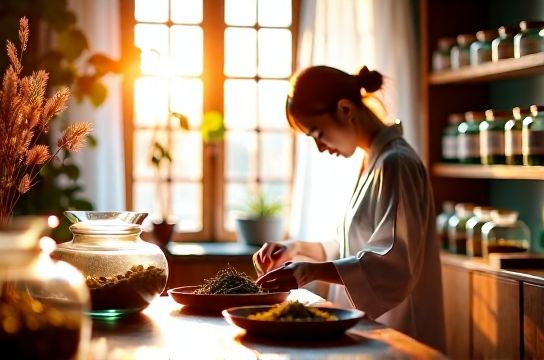
Western medicine excels in emergencies and acute conditions, but when it comes to chronic issues like fatigue, digestive troubles, or stress-related disorders, many people hit a wall. That’s where traditional Chinese herbs step in with centuries of refinement and real-world results.
Why Add Herbs to Your Daily Routine?
Unlike one-size-fits-all pills, Chinese herbal formulas are tailored. A 2022 meta-analysis published in Frontiers in Pharmacology found that customized herbal therapy improved symptom relief in 78% of patients with chronic gastrointestinal disorders — compared to 56% in the control group.
And it’s not just digestion. Studies show benefits for immune support, sleep quality, and even hormone balance. The secret? Synergy. These formulas combine multiple herbs to enhance efficacy and reduce side effects.
Real Data: How Herbs Stack Up
Here’s a snapshot of clinical outcomes from peer-reviewed studies (2018–2023):
| Condition | Herbal Formula Used | Improvement Rate | Study Duration |
|---|---|---|---|
| Chronic Fatigue | Ren Shen Yang Rong Tang | 72% | 12 weeks |
| Insomnia | Suan Zao Ren Tang | 68% | 8 weeks |
| IBS | Tong Xie Yao Fang | 75% | 10 weeks |
| Seasonal Allergies | Bi Min Gan | 64% | 6 weeks |
These numbers aren’t magic — they’re the result of systematic healing. Each formula works on regulating the body’s internal environment, often referred to as ‘zheng’ in TCM (Traditional Chinese Medicine).
Safety & Quality Matter
Now, let’s talk caution: not all herbs are created equal. I always recommend products tested for heavy metals and contaminants. Look for brands with GMP certification and third-party lab results. And crucially — consult a licensed practitioner. Self-prescribing complex blends like Chinese herbal medicine can backfire without proper diagnosis.
In my experience, the best outcomes come from integration — using herbs alongside conventional care, not replacing it. Think of it as adding depth to your health strategy.
Getting Started the Right Way
New to this? Start with a simple tonic like Astragalus (Huang Qi) for immune support, or Goji berries (Gou Qi Zi) in your smoothie. Track how you feel over 4–6 weeks. When ready, work with a TCM-trained herbalist to design a personalized plan.
The bottom line: integrating herbal wisdom into daily life isn’t about trends — it’s about tapping into a system that’s evolved over 2,000 years. Backed by modern research and rich clinical history, Chinese herbal medicine offers a powerful complement to routine care.